Productbeschrijving
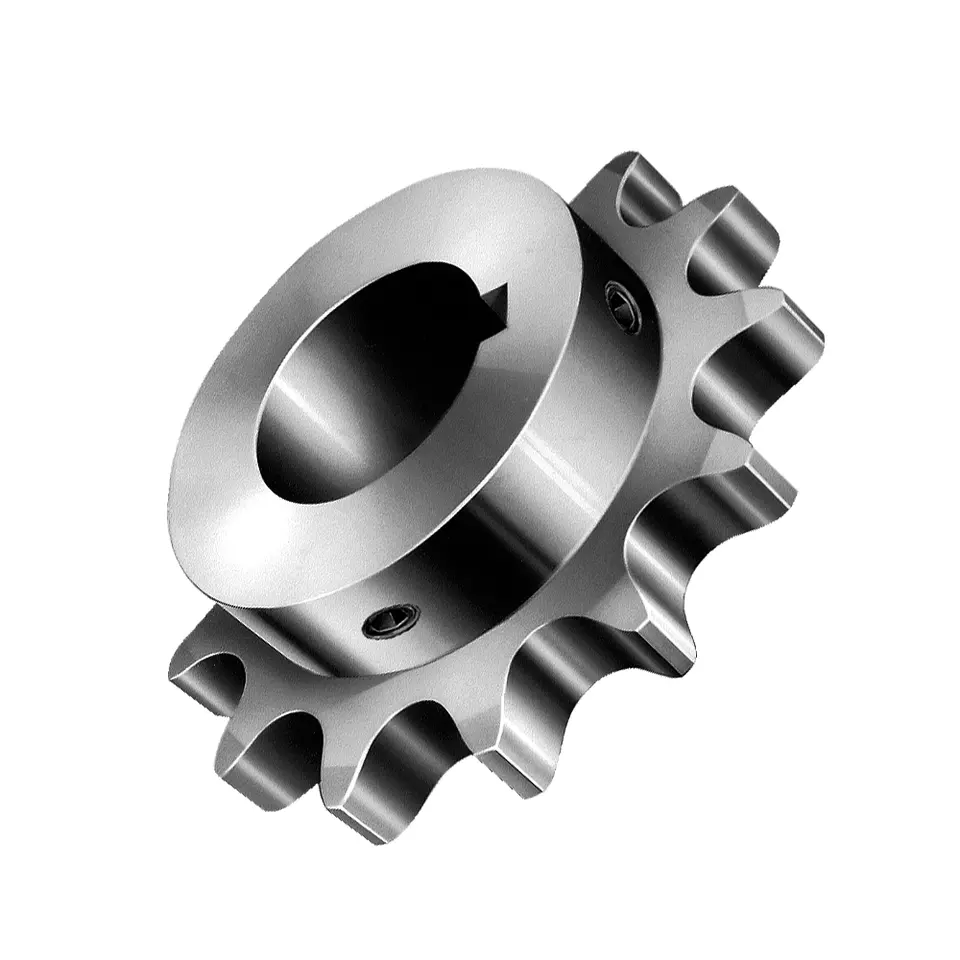
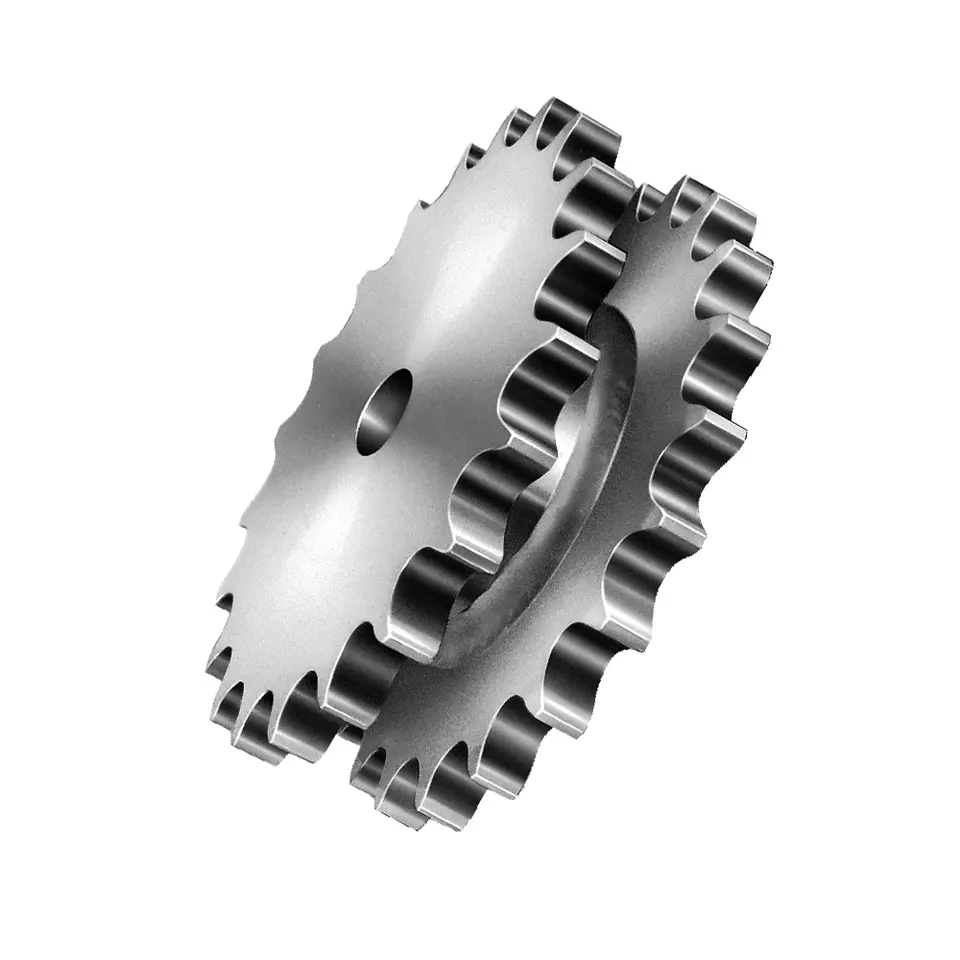
High Precision Standard Chain Sprocket
Products are made of high quality alloy steel production. The plates are punched and squeezed bores by precision technology. The pin, bush, roller are machined by high-efficiency automatic equipment and automatic grinding equipment, then through heat treatment of carburization, carbon and nitrogen protection mesh belt furnace, surface blasting process etc. Assembled precision by Internal hole position, spin riveted by pressure to ensure the performance of the entire chain.
Specifications
| Technique Treatment | |||
| 1 | Shot Peening | 8 | Tempering |
| 2 | Bluing | 9 | Oiling |
| 3 | Nickel-plated | 10 | Greasing |
| 4 | Zincing | 11 | Special color |
| 5 | Warmtebehandeling | 12 | Stain proofing |
| 6 | Carburizing | 13 | Pre-stretched and anti-fatigue |
| 7 | Quenching | ||
Our Service
1. Any of your kind inquiry conveyor chain would be replied within 24 hours.
2. Well-trained and experienced sales staffs will reply all your concerns in fluent English.
3. OEM services are available with us, our professional designer would make your private idea into being.
4. Protection of your sales area, ideas of design and all your private information.
5. Delivery by air mail or ship for your orders.
Why choose us
1. We are the manufacture.
2. We have near 30 years experience of making chains and chain links.
3. Our design team has extensive experience in the chain design.
4. Best service and prompt delivery.
5. We offer various styles, size and colors to meet your requirement.
6. We covering a production area of 18750 square CZPT have more than 200 employees and we have a complete set of testing equipment to ensure our quality.
| Standard Or Nonstandard: | Standaard |
|---|---|
| Application: | Industry |
| Hardness: | Hardened |
| Manufacturing Method: | Rolling Gear |
| Toothed Portion Shape: | ANSI/DIN |
| Materiaal: | 45# Steel |
| Voorbeelden: |
US$ 0/Piece
1 stuk (minimale bestelling) | |
|---|
| Aanpassing: |
Beschikbaar
| Aanvraag op maat |
|---|
Safety Precautions for Working with wheel sprocket Systems
Working with wheel sprocket systems involves potential hazards, and it’s essential to follow safety precautions to prevent accidents and injuries. Here are some safety measures to consider:
- Proper Training: Ensure that anyone working with the wheel sprocket systems is adequately trained in their operation, maintenance, and safety procedures.
- Use Personal Protective Equipment (PPE): Always wear appropriate PPE, such as safety glasses, gloves, and protective clothing, to protect against potential hazards.
- Lockout/Tagout: Before performing any maintenance or repair work on the system, follow lockout/tagout procedures to prevent accidental startup or energization.
- Keep Work Area Clean: Maintain a clean work area and remove any debris or obstacles that could interfere with the operation of the system.
- Inspect Regularly: Regularly inspect the wheels, sprockets, and chains for signs of wear, damage, or misalignment. Address any issues promptly.
- Ensure Proper Lubrication: Adequate lubrication of the sprockets and chains is crucial for smooth operation and to reduce friction and wear.
- Check Tension: Verify that the chain tension is within the recommended range. Too loose or too tight tension can lead to operational problems.
- Avoid Loose Clothing: Keep long hair, loose clothing, and jewelry away from moving parts to avoid entanglement.
- Follow Manufacturer’s Guidelines: Adhere to the manufacturer’s guidelines and recommendations for installation, operation, and maintenance of the wheel sprocket system.
- Use Guards and Enclosures: Install appropriate guards and enclosures to protect against contact with moving parts.
- Safe Handling: When transporting or handling heavy wheels or sprockets, use proper lifting techniques and equipment.
Prioritizing safety when working with wheel sprocket systems is essential to prevent accidents and maintain a safe working environment. Always be vigilant, follow safety protocols, and address any concerns promptly to ensure the well-being of everyone involved.
Temperatuurlimieten voor de werking van het wieltandwielsysteem
De temperatuurlimieten voor de werking van een tandwielsysteem zijn afhankelijk van de materialen die gebruikt zijn bij de constructie van de componenten. Verschillende materialen hebben verschillende temperatuurtoleranties en het overschrijden van deze limieten kan leiden tot verminderde prestaties, voortijdige slijtage en zelfs systeemuitval.
Hieronder vindt u een aantal veelgebruikte materialen voor tandwielsystemen en hun algemene temperatuurlimieten:
- Staal: Stalen tandwielen en wielen, die veelvuldig worden gebruikt in diverse toepassingen, hebben doorgaans een temperatuurlimiet van -40 °C tot 500 °C (-40 °F tot 932 °F). Het specifieke temperatuurbereik kan echter variëren afhankelijk van de staalsoort en eventuele coatings of behandelingen.
- Roestvrij staal: Tandwielen en tandwielen van roestvrij staal bieden een verbeterde corrosiebestendigheid en zijn bestand tegen hogere temperaturen dan gewoon staal. Hun temperatuurlimiet ligt doorgaans tussen -100 °C en 600 °C (-148 °F en 1112 °F).
- Kunststoffen: Tandwielen en tandwielen van kunststof worden veel gebruikt in toepassingen met lage belasting en lage snelheid. De temperatuurlimiet voor kunststof onderdelen varieert sterk, afhankelijk van het type kunststof. Over het algemeen ligt deze tussen -40 °C en 150 °C (-40 °F en 302 °F).
- Aluminium: Tandwielen en tandwielen van aluminium hebben een temperatuurlimiet van ongeveer -40°C tot 250°C (-40°F tot 482°F). Ze worden vaak gebruikt in toepassingen waar gewichtsbesparing cruciaal is.
Het is essentieel om de specificaties en materiaalinformatiebladen van de fabrikant te raadplegen voor de specifieke componenten die in het tandwielsysteem worden gebruikt, om hun temperatuurlimieten nauwkeurig te bepalen. Factoren zoals belasting, snelheid en omgevingsomstandigheden kunnen ook van invloed zijn op de werkelijke temperatuurtolerantie van het systeem.
Bij gebruik van een tandwielsysteem nabij de temperatuurlimieten zijn regelmatige controle en onderhoud noodzakelijk om de integriteit van de componenten en de algehele systeemprestaties te waarborgen. Indien de toepassing extreme temperaturen met zich meebrengt die de typische limieten van de materialen overschrijden, kunnen speciale hittebestendige materialen of koelmaatregelen nodig zijn om een betrouwbare werking te garanderen.
Can a wheel sprocket System be Used in Bicycles and Other Vehicles?
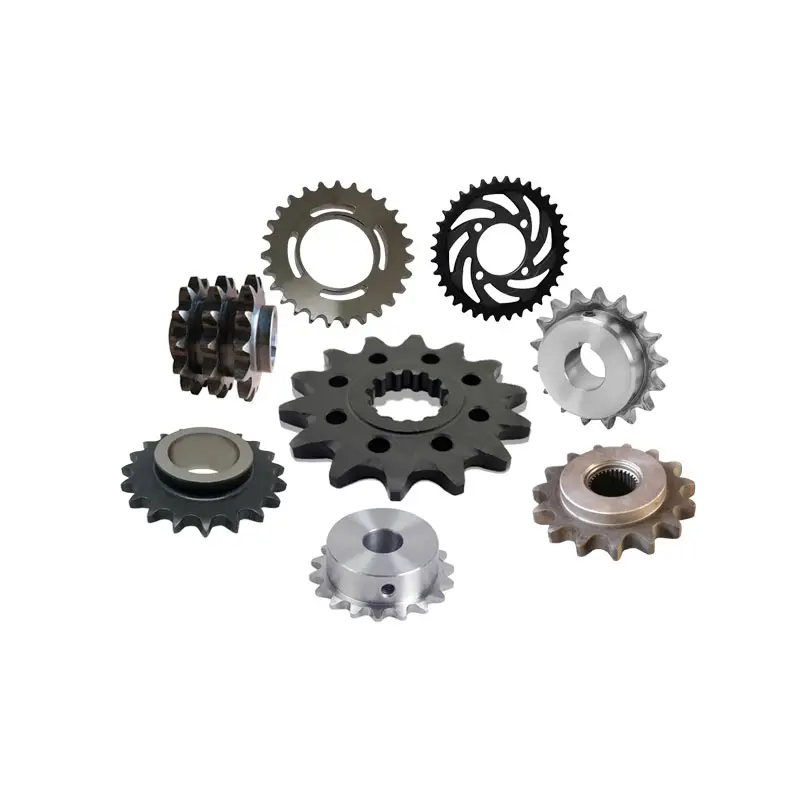
Yes, a wheel sprocket system is commonly used in bicycles and various other vehicles. In bicycles, the wheel sprocket system is a fundamental part of the drivetrain, which transfers power from the rider’s legs to the wheels, propelling the bicycle forward.
The typical bicycle drivetrain consists of a chain, front sprockets (chainrings), rear sprockets (cassette), and the bicycle’s wheels. When the rider pedals the bicycle, the chain engages with the sprockets, and as a result, the rotational motion from the pedaling is transferred to the rear wheel.
The selection of sprocket sizes (number of teeth on chainrings and cassette) can affect the gear ratio, allowing cyclists to adjust their pedaling effort and speed to suit different terrains and riding conditions. Smaller sprockets provide easier pedaling for climbing steep hills, while larger sprockets offer higher speeds on flat or downhill sections.
Beyond bicycles, the wheel sprocket system is widely used in various other vehicles and machinery to transmit power and control speed. It can be found in motorcycles, mopeds, electric scooters, and even some small electric vehicles. Additionally, the wheel sprocket system is prevalent in industrial machinery, where precise speed control and torque transmission are essential.
The efficiency and reliability of the wheel sprocket system make it a versatile and practical choice for many vehicles and mechanical applications.


editor by CX 2023-07-31