Productbeschrijving
Stainless Steel Roller Chain Sprocket (All Types)
DETAILS ABOUT CZPT CHAIN
Productbeschrijving
| Product Name | Chain Sprockets |
| Process | Forging, hobbing, precision machining, etc. |
| Certificeringen | ISO 9001: 2008, GB/T19001-2000IDT, Test Report |
| Standaard | GB1244-85, DIN8187,8188, OEM, ANSI or DIN |
| Oppervlaktebehandeling | Blacken or Galvanized as You Required |
| Materiaal | Stainless steel, carbon steel, aluminum, copper, brass |
| Warmtebehandeling | 45 – 55 HRC |
| Verpakking | Plastic bag+paper case+wooden pallet |
| Applications | Building Material Shops, Machinery, Industrial, etc. |
More Products
Advantage
DETAILS ABOUT CZPT CHAIN
Exhibition
Certificeringen
Workshop
Sollicitatie
Packaging Details & Shipping
FAQ
1. Are you a manufacturer or trade Company?
We are a factory founded in 1997 with a trade team for international service.
2. What terms of payment do you usually use?
T/T 30% deposit and 70% against document, Western Union, L/C at sight
3. What is your lead time for your goods?
Normally 35 days after confirmed order. 30 days could be available in the low season for some items (during May to July), and 45 days during the new year and hot season ( Jan to March).
4. Samples
For customers who need sample confirmation before ordering, please bear in mind that the following policy will be adopted:
1) All samples are free of charge with a maximum value not exceeding USD 100.
2) The courier cost for the first-time sample sending will be charged by the consignee. We will send the samples with freight to be collected. So please inform your account with FedEx, UPS, DHL, or TNT so that we can proceed promptly.
3) The first-time courier cost will be totally deducted from the contract value of the trial cooperation.
/* 22 januari 2571 19:08:37 */!function(){function s(e,r){var a,o={};try{e&&e.split(“,”).forEach(function(e,t){e&&(a=e.match(/(.*?):(.*)$/))&&1
| Standard Or Nonstandard: | Standaard |
|---|---|
| Application: | Motor, Electric Cars, Motorcycle, Machinery, Marine, Agricultural Machinery |
| Hardness: | Hardened Tooth Surface |
| Aanpassing: |
Beschikbaar
| Aanvraag op maat |
|---|
.shipping-cost-tm .tm-status-off{background: none;padding:0;color: #1470cc}
| Verzendkosten:
Geschatte vrachtkosten per eenheid. |
Informatie over verzendkosten en geschatte levertijd. |
|---|
| Betaalmethode: |
|
|---|---|
|
Aanbetaling Volledige betaling |
| Munteenheid: | US$ |
|---|
| Retourneren en terugbetalingen: | Je kunt tot 30 dagen na ontvangst van de producten een terugbetaling aanvragen. |
|---|
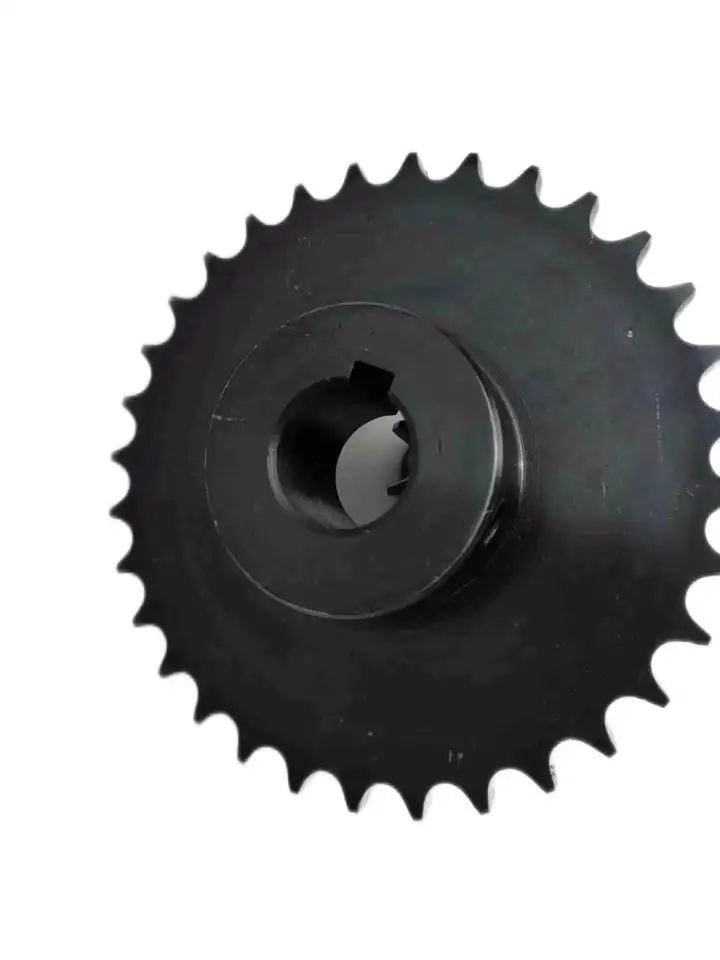
Calculating Torque Requirements for a wheel sprocket Assembly
Calculating the torque requirements for a wheel sprocket assembly involves considering various factors that contribute to the torque load. The torque requirement is crucial for selecting the appropriate motor or power source to drive the system effectively. Here’s a step-by-step guide:
- 1. Determine the Load Torque: Identify the torque required to overcome the resistance or load in the system. This includes the torque needed to move the load, overcome friction, and accelerate the load if applicable.
- 2. Identify the Sprocket Radius: Measure the radius of the sprocket (distance from the center of the sprocket to the point of contact with the chain or belt).
- 3. Calculate the Tension in the Chain or Belt: If using a chain or belt drive, calculate the tension in the chain or belt. Tension affects the torque required for power transmission.
- 4. Account for Efficiency Losses: Consider the efficiency of the system. Not all the input power will be converted into output power due to friction and other losses. Account for this efficiency in your calculations.
- 5. Use the Torque Equation: The torque (T) can be calculated using the following equation:
T = (Load Torque × Sprocket Radius) ÷ (Efficiency × Tension)
It’s essential to use consistent units of measurement (e.g., Newton meters or foot-pounds) for all values in the equation.
Remember that real-world conditions may vary, and it’s advisable to add a safety factor to your calculated torque requirements to ensure the system can handle unexpected peak loads or variations in operating conditions.
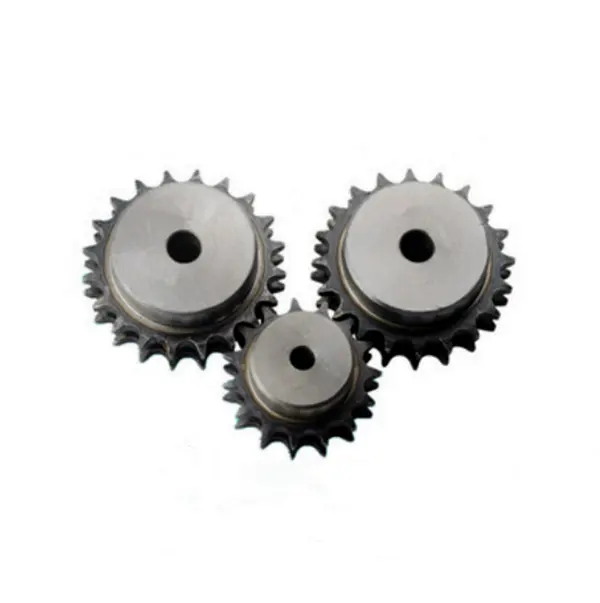
Special Considerations for Using a wheel sprocket System in Off-Road Vehicles
Off-road vehicles operate in rugged and challenging environments, which can put additional stress on the wheel sprocket system. Here are some special considerations to keep in mind when using a wheel sprocket system in off-road vehicles:
- Material Selection: Choose high-quality materials for the wheel sprocket that can withstand rough terrains, impacts, and exposure to elements. Materials like hardened steel or alloys with good impact resistance are commonly used.
- Sealing and Protection: Ensure that the wheel bearings and sprocket teeth are adequately sealed to prevent dirt, mud, water, and other debris from entering. Proper sealing helps to maintain smooth operation and prolong the lifespan of components.
- Reinforcement: Consider reinforcing the wheel sprocket assembly if the vehicle will encounter heavy loads or extreme conditions. Reinforcements can add strength and durability to handle challenging off-road conditions.
- Lubrication: Use a high-quality lubricant suitable for off-road conditions. Frequent lubrication is crucial to reduce friction, prevent corrosion, and protect components from wear and tear.
- Regular Inspection: Off-road vehicles experience higher vibrations and shocks, leading to accelerated wear. Perform regular inspections to detect any signs of damage, misalignment, or wear. Address issues promptly to avoid further problems.
- Shock Absorption: Consider incorporating shock-absorbing features or suspension systems to mitigate the impact on the wheel sprocket system during off-road driving. This helps to protect the components and improve overall vehicle performance.
- Environmental Considerations: Off-road environments often expose the wheel sprocket system to dirt, sand, water, and other harsh elements. Choose coatings or treatments that offer corrosion resistance to protect against environmental damage.
- Weight Consideration: Off-road vehicles may need to be lightweight to navigate difficult terrains effectively. Ensure the wheel sprocket components strike a balance between durability and weight to optimize vehicle performance.
- Service and Maintenance: Establish a regular maintenance schedule and perform necessary servicing after each off-road trip. Cleaning, inspection, and replacement of worn parts are vital to ensure the system’s reliability.
By taking these special considerations into account, the wheel sprocket system in off-road vehicles can withstand the demands of rough terrains and provide reliable performance in challenging environments.
Soorten tandwielen die bij wielen worden gebruikt
In mechanische systemen zijn tandwielen getande wielen die in een ketting of riem grijpen om rotatiebeweging en vermogen over te brengen. Er zijn verschillende soorten tandwielen die met wielen worden gebruikt, elk ontworpen voor specifieke toepassingen:
1. Tandwielen voor rollenkettingen:
Dit zijn de meest voorkomende tandwielen die bij wielen worden gebruikt en ze zijn ontworpen om met rollenkettingen te werken. Tandwielen voor rollenkettingen hebben tanden die overeenkomen met het profiel van de rollen van de ketting, waardoor een soepele aangrijping wordt gegarandeerd en slijtage aan zowel het tandwiel als de ketting wordt verminderd. Ze worden veel gebruikt in fietsen, motorfietsen en industriële machines.
2. Geluidsarme kettingtandwielen:
Deze tandwielen, ook wel bekend als kettingtandwielen met omgekeerde tanden, zijn ontworpen voor gebruik met stille kettingen. Stille kettingen zijn getande kettingen die stil en soepel lopen, waardoor ze ideaal zijn voor toepassingen waar geluidsreductie essentieel is, zoals distributieaandrijvingen in motoren en autosystemen.
3. Tandwielen van de distributieriem:
Tandwielen voor distributieriemen worden gebruikt in combinatie met distributieriemen om een nauwkeurige synchronisatie tussen de krukas en de nokkenas in verbrandingsmotoren te garanderen. Ze hebben speciaal ontworpen tanden die passen op het profiel van de distributieriem, waardoor een nauwkeurige timing en een soepele beweging mogelijk zijn.
4. Spanwielen:
Spanwielen worden gebruikt om kettingen of riemen in een systeem te geleiden en te spannen. Ze brengen zelf geen kracht over, maar spelen een cruciale rol bij het handhaven van de juiste spanning en uitlijning, wat essentieel is voor een efficiënte krachtoverbrenging en om speling in de ketting of riem te voorkomen.
5. Oplasbare tandwielen:
Lasbare tandwielen zijn ontworpen om direct op een wielnaaf of -as te worden gelast, waardoor een veilige en permanente bevestiging ontstaat. Ze worden veelvuldig gebruikt in industriële machines en apparatuur.
6. Dubbele/enkele tandwielen:
Dubbele tandwielen, ook wel duplextandwielen genoemd, hebben twee sets tanden op één tandwielhuis. Ze worden gebruikt wanneer twee afzonderlijke kettingen met dezelfde snelheid en dezelfde overbrengingsverhouding moeten worden aangedreven, wat vaak voorkomt in zware toepassingen en transportsystemen.
7. Conische tandwielen met vergrendeling:
Tandwielen met conische vergrendeling zijn ontworpen met een conische vorm en een spiebaan voor een veilige en eenvoudig te monteren verbinding met de as. Ze worden veel gebruikt in aandrijfsystemen, waar tandwielen regelmatig worden gepositioneerd en verwijderd.
Elk type tandwiel wordt geselecteerd op basis van de specifieke eisen van de toepassing, het type ketting of riem en de gewenste prestatiekarakteristieken. De juiste selectie en het juiste onderhoud van tandwielen zijn essentieel voor een efficiënte krachtoverbrenging en een langere levensduur van het gehele systeem.


editor by Dream 2024-04-30