Descrizione del prodotto
Best Quality Advanced Surface Treatment Industrial Chain Stainless Steel Sprockets with Standard Dimension
Descrizione del prodotto
1. Produce strictly in accordance with standard dimension
2. Material: 1045 Steel / Alloy Steel / Stainless Steel 304 & 316
3. Standard: ANSI, DIN, JINS, ISO, KANA,Standard America or Customer’s Drawing
4. Pilot bore, finished bore, taper bore and special bore.
5. Bright surface / high precision / Blacking /Electrophoretic-Coated
6. Advanced heat treatment and surface treatment craft
7. Best quality and competitive price.
8. Welcome OEM / ODM
9. Processing Equipment: Hobbing machine, Slotting machine, CNC lathes and other equipment.
10. Sprocket Models: Contains special sprocket according to customer’s drawings, standard sprocket (American standard and metric).
Foto dettagliate
View more products,please click here…
Profilo Aziendale
| Standard Or Nonstandard: | Standard |
|---|---|
| Applicazione: | Machinery, Agricultural Machinery, Industry |
| Hardness: | Soft Tooth Surface |
| 60: | 3/4" |
| 80: | 1" |
| 50: | 5/8" |
| Esempi: |
US$ 0.9/Piece
1 pezzo (ordine minimo) | |
|---|
| Personalizzazione: |
Disponibile
| Richiesta personalizzata |
|---|
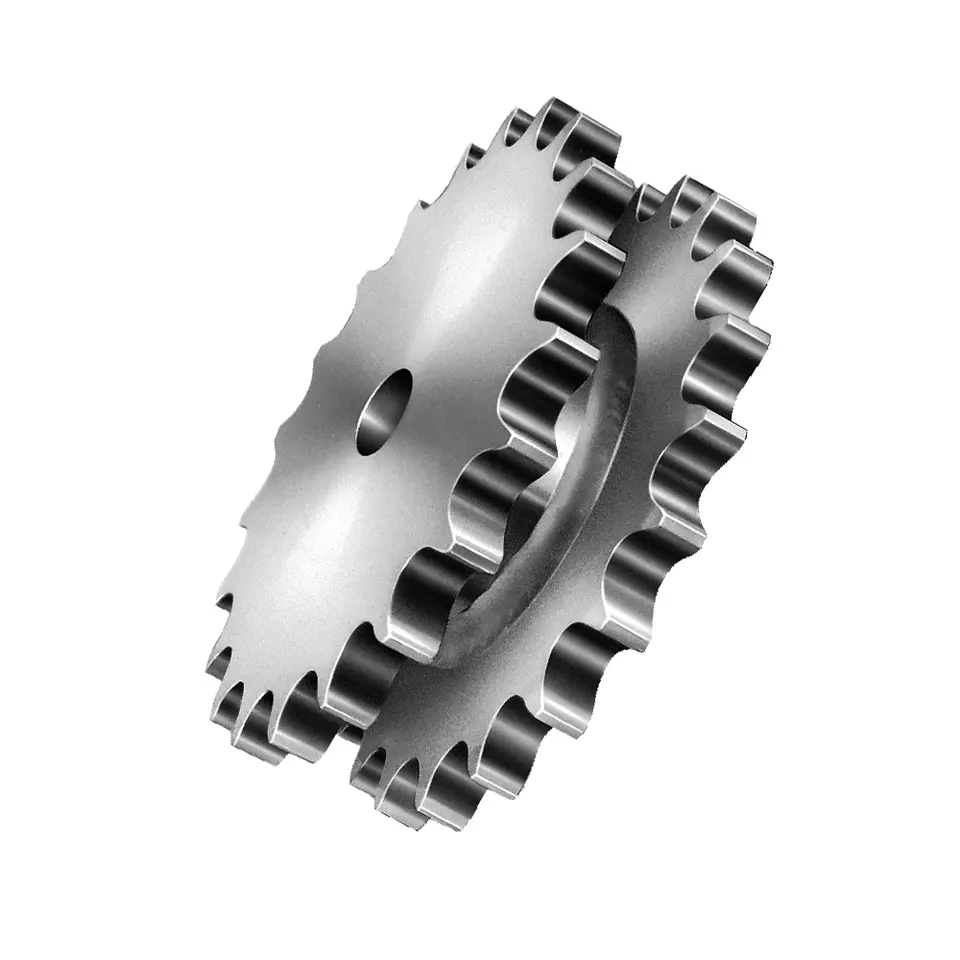
How to Identify and Troubleshoot Common Issues with Wheels and Sprockets
Identifying and troubleshooting common issues with wheels and sprockets can help you maintain their proper functioning and prevent potential problems. Here are some steps to follow:
- Abnormal Noise: If you notice unusual noise during operation, it could indicate misalignment, worn sprockets, or a loose chain. Check for any loose bolts or fasteners and ensure proper alignment of the sprockets.
- Chain Slippage: Chain slippage can occur due to insufficient tension or worn-out sprocket teeth. Check the chain tension and adjust it to the recommended level. Inspect the sprocket teeth for signs of wear and replace them if necessary.
- Uneven Wear: Uneven wear on the sprocket teeth can be a result of misalignment or a worn-out chain. Check the alignment of the sprockets and adjust as needed. If the chain is stretched or has damaged links, replace it with a new one.
- Excessive Vibration: Excessive vibration may be caused by imbalanced wheels or misaligned sprockets. Check for any bent or damaged wheels and ensure proper alignment of the sprockets.
- Chain Skipping: If the chain skips over the sprocket teeth during operation, it could be due to worn sprocket teeth or a loose chain. Inspect the sprocket teeth for signs of wear and replace them if necessary. Adjust the chain tension to the proper level.
- Chain Jamming: Chain jamming can occur if there is debris or dirt between the chain and sprockets. Clean the chain and sprockets thoroughly to remove any obstructions.
- Excessive Chain Wear: Regularly inspect the chain for signs of wear, such as elongation, damaged links, or rust. Replace the chain if it is significantly worn to avoid damage to the sprockets.
- Overheating: Overheating can be caused by high friction between the chain and sprockets or improper lubrication. Ensure proper lubrication and check for any misalignment or tight spots in the system.
By identifying these common issues and performing regular inspections, you can troubleshoot problems early on and take appropriate corrective measures, ensuring the smooth operation and longevity of the wheel sprocket assembly.
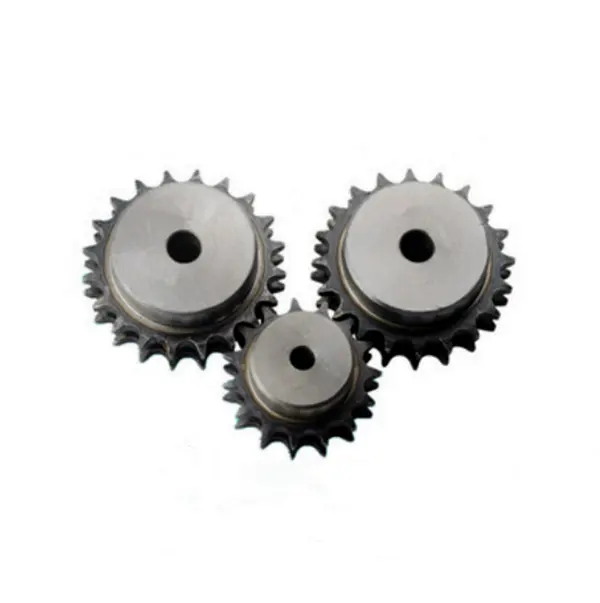
Special Considerations for Using a wheel sprocket System in Off-Road Vehicles
Off-road vehicles operate in rugged and challenging environments, which can put additional stress on the wheel sprocket system. Here are some special considerations to keep in mind when using a wheel sprocket system in off-road vehicles:
- Material Selection: Choose high-quality materials for the wheel sprocket that can withstand rough terrains, impacts, and exposure to elements. Materials like hardened steel or alloys with good impact resistance are commonly used.
- Sealing and Protection: Ensure that the wheel bearings and sprocket teeth are adequately sealed to prevent dirt, mud, water, and other debris from entering. Proper sealing helps to maintain smooth operation and prolong the lifespan of components.
- Reinforcement: Consider reinforcing the wheel sprocket assembly if the vehicle will encounter heavy loads or extreme conditions. Reinforcements can add strength and durability to handle challenging off-road conditions.
- Lubrificazione: Use a high-quality lubricant suitable for off-road conditions. Frequent lubrication is crucial to reduce friction, prevent corrosion, and protect components from wear and tear.
- Regular Inspection: Off-road vehicles experience higher vibrations and shocks, leading to accelerated wear. Perform regular inspections to detect any signs of damage, misalignment, or wear. Address issues promptly to avoid further problems.
- Shock Absorption: Consider incorporating shock-absorbing features or suspension systems to mitigate the impact on the wheel sprocket system during off-road driving. This helps to protect the components and improve overall vehicle performance.
- Environmental Considerations: Off-road environments often expose the wheel sprocket system to dirt, sand, water, and other harsh elements. Choose coatings or treatments that offer corrosion resistance to protect against environmental damage.
- Weight Consideration: Off-road vehicles may need to be lightweight to navigate difficult terrains effectively. Ensure the wheel sprocket components strike a balance between durability and weight to optimize vehicle performance.
- Service and Maintenance: Establish a regular maintenance schedule and perform necessary servicing after each off-road trip. Cleaning, inspection, and replacement of worn parts are vital to ensure the system’s reliability.
By taking these special considerations into account, the wheel sprocket system in off-road vehicles can withstand the demands of rough terrains and provide reliable performance in challenging environments.

Scegliere la giusta dimensione del pignone per adattarlo alla ruota
Scegliere la dimensione corretta del pignone da abbinare alla ruota è fondamentale per garantire un'efficiente trasmissione della potenza e il corretto funzionamento di un sistema meccanico. Ecco i passaggi che ti aiuteranno a scegliere la dimensione giusta del pignone:
1. Determinare il diametro primitivo della ruota:
Misurare il diametro della ruota dal centro al punto in cui i denti del pignone si innestano sulla ruota. Questa misura è nota come diametro primitivo della ruota.
2. Individuare il rapporto di trasmissione desiderato:
Determina il rapporto di trasmissione desiderato per la tua applicazione. Il rapporto di trasmissione è il rapporto tra il numero di denti del pignone e il numero di denti della ruota e determina la velocità e la coppia erogata.
3. Calcola il numero di denti della ruota dentata:
Una volta noti il diametro primitivo della ruota e il rapporto di trasmissione desiderato, è possibile calcolare il numero di denti del pignone utilizzando la formula:
Numero di denti sulla ruota dentata = (Rapporto di trasmissione desiderato) * (Numero di denti sulla ruota)
4. Selezionare una dimensione standard del pignone:
In base al numero di denti calcolato sulla ruota dentata, scegli una ruota dentata di dimensioni standard che si avvicini il più possibile al valore calcolato. Le ruote dentate sono disponibili con un numero di denti variabile, quindi potrebbe essere necessario scegliere la misura più vicina tra quelle disponibili.
5. Valutare la compatibilità della catena:
Se si utilizza un sistema di trasmissione a catena, assicurarsi che il pignone selezionato sia compatibile con la catena che si intende utilizzare. Il passo della catena (distanza tra i centri dei perni dei rulli adiacenti) deve corrispondere al passo del pignone.
6. Verificare la distanza tra i centri:
Verificate che la distanza tra i centri della ruota e del pignone sia adeguata all'applicazione. La distanza tra i centri è la distanza tra i centri della ruota e del pignone e deve essere regolata in modo da ottenere la tensione e l'allineamento desiderati della catena o della cinghia.
7. Considerare il materiale e il profilo del dente:
Seleziona un materiale per la ruota dentata adatto alla tua applicazione, come acciaio, acciaio inossidabile o plastica, in base a fattori quali carico, ambiente e condizioni operative. Inoltre, considera il profilo del dente (standard o personalizzato) per garantire un innesto fluido con la catena o la cinghia.
Seguendo questi passaggi e tenendo conto dei requisiti specifici dei vostri macchinari e del vostro sistema meccanico, potrete scegliere la dimensione corretta del pignone da abbinare alla ruota e ottenere prestazioni ottimali e una lunga durata del sistema.


editor by CX 2023-10-07