Descrizione del prodotto
Nonstandard Industry MADE-TO-ORDER Or PLW Plywood Case Chain Sprocket Motorcycle Parts
Descrizione del prodotto
1. Produce strictly in accordance with ANSI or DIN standard dimension
2. Material: 1045 steel / Stainless Steel 304 & 316
3. Standard: ANSI, DIN, JINS, ISO, Standard America or customer drawing
4. Pilot bore, finished bore, taper bore and special bore
5. Bright surface and high precision
6. Advanced heat treatment and surface treatment craft
7. Best quality and competitive price
8. Welcome OEM / ODM
9. Processing equipment: Hobbing machine, Slotting machine, CNC lathes and other equipment.
10. Sprocket models: Contains special sprocket according to customer’s drawings, standard sprocket (American standard and metric).
| Product name | Zinc-Plated Driving Sprocket From China (05B16T-1) |
| Materials Available | 1. Stainless Steel: SS304, SS316, etc |
| 2. Alloy Steel: C45, 45Mn, 42CrMo, 20CrMo, etc | |
| 3. OEM according to your request | |
| Trattamento superficiale | Heat treatment, Quenching treatment, High frequency normalizing treatment, Polishing, Electrophoresis paint processing, Anodic oxidation treatment, etc |
| Characteristic | Fire resistant, Oil resistant, Heat resistant, CZPT resistance, Oxidative resistance, Corrosion resistance, etc |
| Design criterion | ISO DIN ANSI & Customer’s Drawing |
| Size | Customer’s Drawing & ISO standard |
| Applicazione | Industrial transmission equipment |
| Package | Wooden Case / Container and pallet, or made-to-order |
| Certificate | ISO9001: 2008 |
| Vantaggio | Quality first, Service first, Competitive price, Fast delivery |
| Delivery Time | 20 days for samples. 45 days for official order. |
View more products,please click here…
Foto dettagliate
Profilo Aziendale
| Standard Or Nonstandard: | Nonstandard |
|---|---|
| Applicazione: | Motorcycle, Machinery, Marine, Agricultural Machinery, Car, Industry |
| Hardness: | Hardened Tooth Surface |
| Materiale: | Alloy Steel/Stainless Steel |
| Tipo: | Pignone |
| Sample: | for Free |
| Esempi: |
US$ 0/Piece
1 pezzo (ordine minimo) | |
|---|
| Personalizzazione: |
Disponibile
| Richiesta personalizzata |
|---|
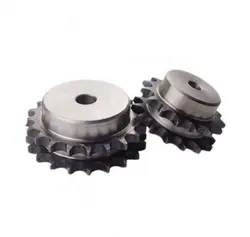
Best Lubrication Practices for wheel sprocket Systems
Proper lubrication is essential for maintaining the efficiency and longevity of wheel sprocket systems. The lubrication practices can vary depending on the specific application and the environment in which the system operates. Here are some best practices for lubricating wheel sprocket systems:
- Cleanliness: Before applying any lubricant, ensure that the wheel sprocket surfaces are clean and free from dirt, debris, and old lubricant residue. Cleaning the components helps prevent contaminants from mixing with the lubricant and causing additional wear.
- Choose the Right Lubricant: Select a lubricant specifically designed for the wheel sprocket system. Consider factors such as load, speed, temperature, and environmental conditions when choosing the appropriate lubricant. Some systems may require grease, while others may need oil-based lubricants.
- Apply Adequate Amount: Apply the lubricant in the right quantity to ensure proper coverage of the contacting surfaces. Too little lubricant may not provide sufficient protection, while too much can lead to excess heat and waste.
- Regular Lubrication Schedule: Establish a maintenance schedule for lubrication based on the operating conditions of the system. In high-demand applications, more frequent lubrication may be necessary to prevent premature wear.
- Monitor and Reapply: Regularly monitor the condition of the wheel sprocket system and observe any signs of inadequate lubrication, such as increased friction or unusual noise. Reapply lubricant as needed to maintain optimal performance.
- Re-lubrication After Cleaning: If the wheel sprocket system is cleaned, ensure that fresh lubricant is applied after cleaning to restore the protective layer.
- Consider Lubrication Type: Depending on the application, consider using dry lubricants or solid lubricants for environments where dust and dirt accumulation may be a concern.
It’s essential to follow the manufacturer’s recommendations and guidelines for lubrication. Additionally, consult with lubrication experts or equipment suppliers for specific recommendations based on your wheel sprocket system’s unique requirements.
Ispezione di una ruota dentata per verificare l'usura.
Ispezionare regolarmente il pignone della ruota è fondamentale per garantirne il corretto funzionamento e per individuare eventuali segni di usura. Ecco i passaggi per ispezionare un pignone:
- Ispezione visiva: Iniziate esaminando visivamente il pignone della ruota per individuare eventuali segni visibili di usura, danni o deformazioni. Cercate crepe, scheggiature, ammaccature o irregolarità sulla superficie di entrambi i componenti.
- Verifica la presenza di disallineamenti: Verificare che i pignoni delle ruote siano correttamente allineati tra loro. Un disallineamento può causare un'usura accelerata e compromettere le prestazioni complessive del sistema.
- Abbigliamento corto: Utilizza un calibro o un misuratore di usura per misurare il profilo dei denti del pignone e la superficie di rotolamento della ruota. Confronta queste misurazioni con le specifiche originali per determinare se si è verificata un'usura significativa.
- Ispezionare i denti e l'innesto della catena: Se la ruota dentata fa parte di un sistema di trasmissione a catena, esaminare attentamente i denti della ruota e l'innesto della catena. Denti usurati o allungati possono causare un innesto inadeguato della catena e portare a guasti prematuri.
- Lubrificazione: Verificare la lubrificazione del pignone della ruota. Una lubrificazione insufficiente o eccessiva può causare un aumento dell'attrito, con conseguente usura e riduzione dell'efficienza.
- Condizioni del cuscinetto: Se la ruota è montata su un albero con cuscinetti, ispezionare i cuscinetti per individuare eventuali segni di usura, rumori o movimenti anomali. Cuscinetti in buono stato di funzionamento sono fondamentali per il corretto funzionamento del sistema.
- Ispezionare i componenti di montaggio: Assicurarsi che tutti i dadi, i bulloni e gli altri elementi di fissaggio siano serrati saldamente. Elementi di fissaggio allentati possono causare vibrazioni e problemi di disallineamento.
- Verificare la presenza di contaminanti: Rimuovere eventuali detriti, sporco o particelle estranee che potrebbero essersi accumulate sulla ruota o sul pignone. I contaminanti possono accelerare l'usura e danneggiare i componenti.
- Sostituzione o manutenzione: In base ai risultati dell'ispezione, stabilire se è necessario sostituire qualche componente o se è richiesta manutenzione. Risolvere tempestivamente eventuali problemi per prevenire ulteriori danni e mantenere le prestazioni del sistema.
Ispezioni e manutenzioni programmate regolarmente possono contribuire a prolungare la durata del gruppo ruota dentata, a ottimizzarne le prestazioni e a garantire la sicurezza del sistema meccanico.
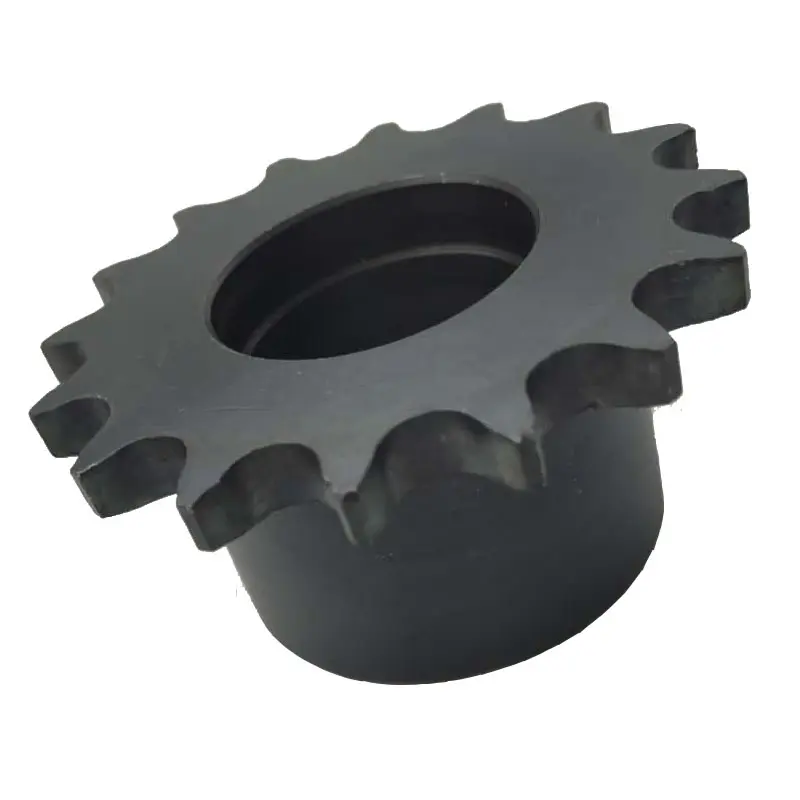
Role of a wheel sprocket in a Mechanical System
In a mechanical system, a wheel sprocket play a crucial role in transferring motion and power from one component to another. They are essential elements of various machines and mechanisms, such as bicycles, conveyor systems, automobiles, and industrial machinery. Let’s explore their functions in more detail:
1. Wheel:
The wheel is a circular component with a central shaft (axle) that allows it to rotate freely around the axle’s axis. Its primary functions include:
- Motion Transmission: When a force is applied to the wheel’s outer edge, it rotates around the axle, enabling the transfer of linear motion into rotational motion.
- Load Bearing: The wheel’s structure and material are designed to support and distribute the load placed on it, allowing smooth movement over various surfaces.
- Reduction of Friction: By using wheels, the friction between the moving object and the ground is significantly reduced, making it easier to move heavy loads with less effort.
- Directional Control: Wheels can be attached to steering mechanisms to control the direction of movement in vehicles and other equipment.
2. Sprocket:
A sprocket is a toothed wheel designed to mesh with a chain or a belt, facilitating motion transfer between the sprocket and the chain/belt. Its key functions include:
- Power Transmission: When rotational force (torque) is applied to the sprocket, the teeth engage with the links of the chain or belt, transferring motion and power from one sprocket to another.
- Speed and Torque Conversion: Different-sized sprockets can be used to adjust the speed and torque of the driven component in a mechanical system.
- Positive Drive: The teeth on the sprocket and the links on the chain/belt create a positive drive system, reducing the likelihood of slippage or loss of power during operation.
- Chain/Belt Tensioning: Sprockets help maintain proper tension in the chain or belt, ensuring optimal performance and longevity of the power transmission system.
Together, wheels and sprockets form a vital part of mechanical systems, enabling efficient motion transmission, power transfer, and control in a wide range of applications across various industries.


editor by CX 2023-08-14