Descrizione del prodotto
Descrizione del prodotto
La catena per motociclette è realizzata con acciai di eccellente qualità come 40Mn, 30CrMnTi e 20Mn. Dopo stampaggio, taglio, laminazione, formatura a freddo e altri processi eseguiti con macchinari e attrezzature di alta precisione, i componenti vengono trattati e rinforzati mediante carbonitrurazione isotermica e successivamente sottoposti a trattamento antiruggine. Infine, la catena viene assemblata, rivettata, pre-stirata e ispezionata da una linea di assemblaggio e controllo automatica importata da Zhejiang per garantire le prestazioni di qualità di ogni singola catena.
Il pignone della motocicletta è realizzato in acciaio 20CrMnTi, 1045 e altri acciai di alta qualità. Dopo processi di stampaggio, livellamento, tornitura, fresatura e altre lavorazioni di alta precisione, il pignone viene rinforzato mediante tempra ad alta temperatura e successivamente sottoposto a galvanizzazione, verniciatura a spruzzo e altri trattamenti superficiali dopo la sabbiatura.
Foto dettagliate
| BRASILE | AX100, BIZ125, BIZ98/00, C70, C90, C100, CB250, CB400, CBR450, CBX150, CBX200, CBX250, CD100, CG125, CG150, CRYPTON, DREAM, DS80, DT100, DT125, DT200, FAN125, FD115, FR80, FS80, G7S/KW100, HUNTER125, JOG CY50, KMX125/KTZ, LB80, MAX125, MB100, NX150, NXR150, POP100, RD125, RD135, RDZ125, RDZ135, RX100, RX100/125, RX115/135, TITAN150, TITAN2000, TS100ER, TSZCN125, V80, WEB NEW, XL125, XL185, XLR125, XR200, XR200R, XR250, XRE300, XTZ125 06/07, YER115, YER125, YES125 |
| ARGENTINA | AX100, AXIS90, C70, C90, C100, C110, CB250, CBX150, CBX200, CD110, CG125 TODAY, CRYPTON, DAELTM, DAX70, DT125, ECONO C90 LUXE, ELITE50, GY6-50, GY6-60, GY6-80, GY6-100, GY6-125, GY6-150, MAX100, NXR125, NX150, RX100, SMASH, STROM125, TITAN150, TITAN99, TITAN2000, YBR125, V80, WAVE110, XLR125, XR200R, XR250, ZANELLA200 |
| COLUMBIA | ACTIVE110, AKT110, AK125, AKT125, AX100, AX125, AXIS90, BIZ, BOXER CT100, BWS125, C50, C70/CD70/JH70, C90/CD90/JH90, C100, C110, CB150, CBF150, CD100, CG125, CG150, CG200, CICLON125, CRYPTON, CT100, CRUX, DISCOVER100, DISCOVER135, DT125, DT125K, ECO, EM125, EN125, FD115, FR50, FR80, FXD125, GN125, GN125H, GRAND, GS125, GSD-16LIBERO, GSX, GY6-150, GY6-200, HERO, JD100, JL110MIX, KW100, LB80, MT90/V50, PULSAR, RX100, RX115, RX125, RX135, SMASH110, SRZ150, TIGER, TITAN99, TITAN150, TR125, TS/CN125, TS/CR125, V50, V80, WY147, XF90, XF125, XL125, XL185, XR200, YBR125 |
| AFRICA | AG100, AP125-9G, AP150, A100, AX100, BAJ100, BAJ205, BAJ3W, BS125, C50, C75, CB110, CB125, CB150, CD100, CD110, CG125, CG150, CG200, CT100, DT125, FR80, GK125, JH70, K90, KYMCO, MB100, QLINK, RC100, RE205, RX115, RX125, RX135, RZ100, V50, V80, SY125, TVS125, TVS160, YB100 |
| INDIA | ACTIVA, APACHE, BAJAJ CT100DLX, BAJAJ DISCOVER, BAJAJ PULSAR, CBZ STAR, CD100, CD-CLEL AX, CRUX, CT100, DASHAION NUOVO MODELLO, DISCOVER135, ENT, EWIRE, FIERO F2, KB-4S, KRZIMA-R, LIBG-5, NXV, PASHAION, PLATINA100, PLATINA150, PULSAR, R15, SCOOTY PEP, SPLANDER, STAR, SYARCTS, SUPEX SPLINDG, TVS GLX, TVS VICTOR, VICTOR, VLAMEAR, XCD125, XLS |
| FILIPPINE | AURA110, B120, BARAKO, C100, C70DD, CG125, CRYPTON, CRYPTON-Z/X1, DT125, G7S, HAWK1 50-2, HD3, MIO, MSX125S/ZESTX110-1, RAIDER150, RS100, SAP110/MSX125-1, SHOGUN PRO, SHOGUN/SHOGUN125, SMASH, STAR-X 125, STAR-X 150/155(ZS), STAR-X 155(JL), STX125, TM110S, WAVE 100R, WAVE110, WAVE125, WELL 125R, WIND125, X-120, X4/GP125, X-PLORER-Z 200 NUOVO, XRM, YL2 DX, YL2GF, ZEST X110-2/WELL 125S |
| INDONESIA | ABSOLUTE REVO, ALFA/FORCE-1, ASTREA/CBDDA, BEAT, BLADE, C7000, C7OMK 7 LINES, CB100, CG125, FR80, GL100, GLK, GLPRO, GL PRO CDI, GLPRO NEOTECH, GRAND, JUPITER-Z, KARISMA, KAZE, L2SN, MEGA PRO NUOVO 2007, MIO SOUL, MIO/JUPITER MX, NINJA, PRIMA, PX150, RC110, RC80, REVO, RG110, RX100, RXK NUOVO 2003, RXK/RXK NUOVO, RXS/RXKING |
| MEDIO ORIENTE | AN125, AN150, BAJAJ150, BWS50, BWS100, CG250, CB250, CB150, DIO50 ZX, DT125, GS50,GY6, JH70, JOG50, JOG70, KAB, KS4, KVB110,L110 A, MIO125, MIO150 2V, MIO150 4V, RE205, RX135, SYM125, SYM150, UZ125, UZ/V125, VINO 50, WH100, WH125, YP250, ZY100, ZY125 |
| TACCHINO | ACTIVA, AN125, C110, CD70, CD100, CD110, CM125, CUB, CUB LIF3VALF, CUB110, CG125, CG150, CG200, CG250, SCT125, SCT150, CBF125, CBF150, GY6, FIZY, SPACY, WH100, WH125, WAVE110, YBR125 |
| MALAYSIA | C70, C70Z, EG110, EX5, EX5 CLASS, FR80, GBO, GBO-J, KISS II, KR150, KRISS, LC35, MZ125, RC110/RG110, RC80, RXS, RXZ, SRL110, TZM150, WAVE 100, WAVE 125, Y 100/Y110, Y 125Z, Y80 |
| Thailandia | A100SR, AX100, BEAT, BEST, C50K2, C70, DASH, DREAM, DT125, FR8ON, JR120, JUXEDO, KAZE, KR150-6, KS150-4/SERPICO, LS125, MIO, NOVAS, RC100/RC80, RXS, SMASH, SONIC, TENA, VR150, WAVE110, WAVE125, Y100, Y80M |
Profilo Aziendale
Team-Go I&E Co., Ltd. (Hangzhou) è un'azienda specializzata che integra produzione, commercio e fornitura. Precedentemente nota come LZNF, è stata fondata nel 1996 e la sua attività principale consiste nell'esportazione, importazione e commercializzazione sul mercato interno di accessori per auto, prodotti alimentari e servizi correlati. L'azienda è inoltre certificata ISO 9001:2000 per il sistema di gestione della qualità.
Team-Go è un produttore ed esportatore di spicco con una lunga storia, un'elevata specializzazione e una solida forza tecnica. Possediamo inoltre una forte capacità di sviluppare nuovi prodotti in base a campioni o disegni forniti dai clienti. Attualmente i nostri prodotti godono di grande popolarità in molti mercati, come il Sud America, l'Asia, l'Africa e altri ancora.
La nostra azienda aderisce al principio "Orientamento alle persone, centralità del cliente, integrità e prestazioni". Per raggiungere l'obiettivo del vantaggio reciproco, faremo del nostro meglio per far risparmiare tempo, ottimizzare gli spazi e conquistare quote di mercato per i nostri clienti. Siamo certi che le nostre solide risorse e i nostri servizi di eccellenza soddisferanno le vostre elevate esigenze.
Affidarvi a noi e sceglierci sarà la decisione più giusta che possiate mai prendere!
Imballaggio e spedizione
/* 22 gennaio 2571 19:08:37 */!function(){function s(e,r){var a,o={};try{e&&e.split(“,”).forEach(function(e,t){e&&(a=e.match(/(.*?):(.*)$/))&&1
| Tipo: | Trasmissioni per motociclette |
|---|---|
| Certificazione: | ISO9001:2000 |
| Materiale: | Acciaio |
| Esempi: |
US$ 4 pezzi
1 pezzo (ordine minimo) | Ordina un campione |
|---|
| Personalizzazione: |
Disponibile
| Richiesta personalizzata |
|---|
.shipping-cost-tm .tm-status-off{background: none;padding:0;color: #1470cc}
|
Costo di spedizione:
Costo stimato per unità. |
Informazioni sui costi di spedizione e sui tempi di consegna stimati. |
|---|
| Metodo di pagamento: |
|
|---|---|
|
Pagamento iniziale Pagamento completo |
| Valuta: | US$ |
|---|
| Resi e rimborsi: | È possibile richiedere un rimborso entro 30 giorni dalla ricezione dei prodotti. |
|---|
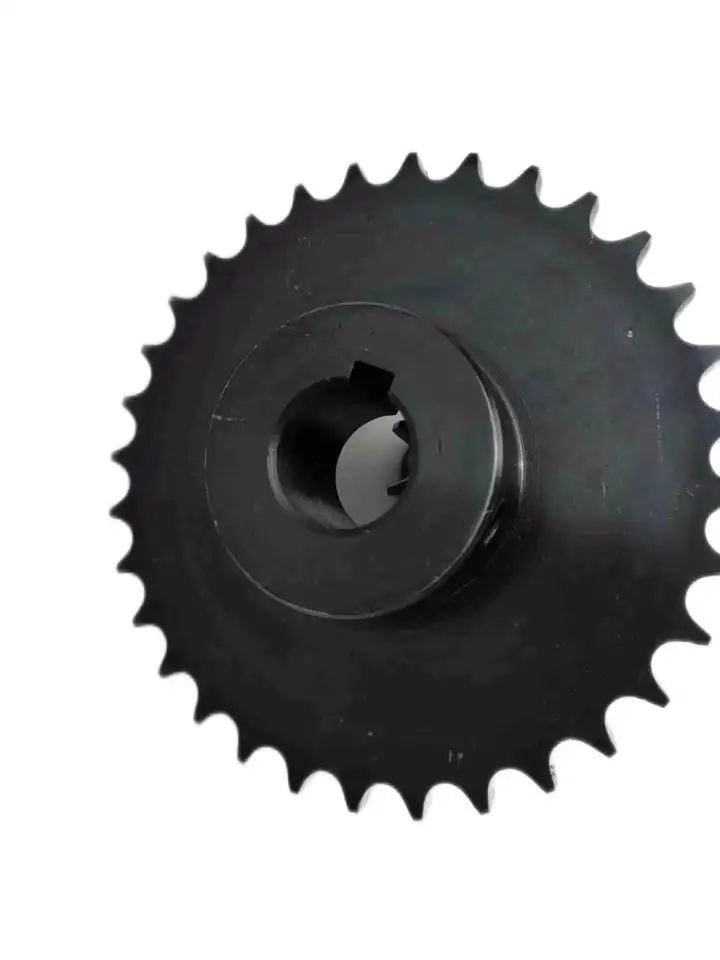
Calcolo dei requisiti di coppia per un gruppo pignone ruota
Il calcolo della coppia necessaria per un gruppo ruota dentata implica la considerazione di diversi fattori che contribuiscono al carico di coppia. Il valore della coppia richiesta è fondamentale per la scelta del motore o della fonte di alimentazione più adatti ad azionare il sistema in modo efficace. Ecco una guida passo passo:
- 1. Determinare la coppia di carico: Identificare la coppia necessaria per vincere la resistenza o il carico nel sistema. Ciò include la coppia necessaria per spostare il carico, vincere l'attrito e accelerare il carico, se applicabile.
- 2. Identificare il raggio della ruota dentata: Misurare il raggio del pignone (distanza dal centro del pignone al punto di contatto con la catena o la cinghia).
- 3. Calcolare la tensione nella catena o nella cinghia: Se si utilizza una trasmissione a catena o a cinghia, calcolare la tensione della catena o della cinghia. La tensione influisce sulla coppia necessaria per la trasmissione della potenza.
- 4. Valutare le perdite di efficienza: Considera l'efficienza del sistema. Non tutta la potenza in ingresso verrà convertita in potenza in uscita a causa dell'attrito e di altre perdite. Tieni conto di questa efficienza nei tuoi calcoli.
- 5. Utilizzare l'equazione della coppia: La coppia (T) può essere calcolata utilizzando la seguente equazione:
T = (Coppia di carico × Raggio della ruota dentata) ÷ (Efficienza × Tensione)
È essenziale utilizzare unità di misura coerenti (ad esempio, Newton metri o piedi-libbra) per tutti i valori presenti nell'equazione.
Ricorda che le condizioni reali possono variare ed è consigliabile aggiungere un fattore di sicurezza ai requisiti di coppia calcolati per garantire che il sistema sia in grado di gestire picchi di carico imprevisti o variazioni delle condizioni operative.
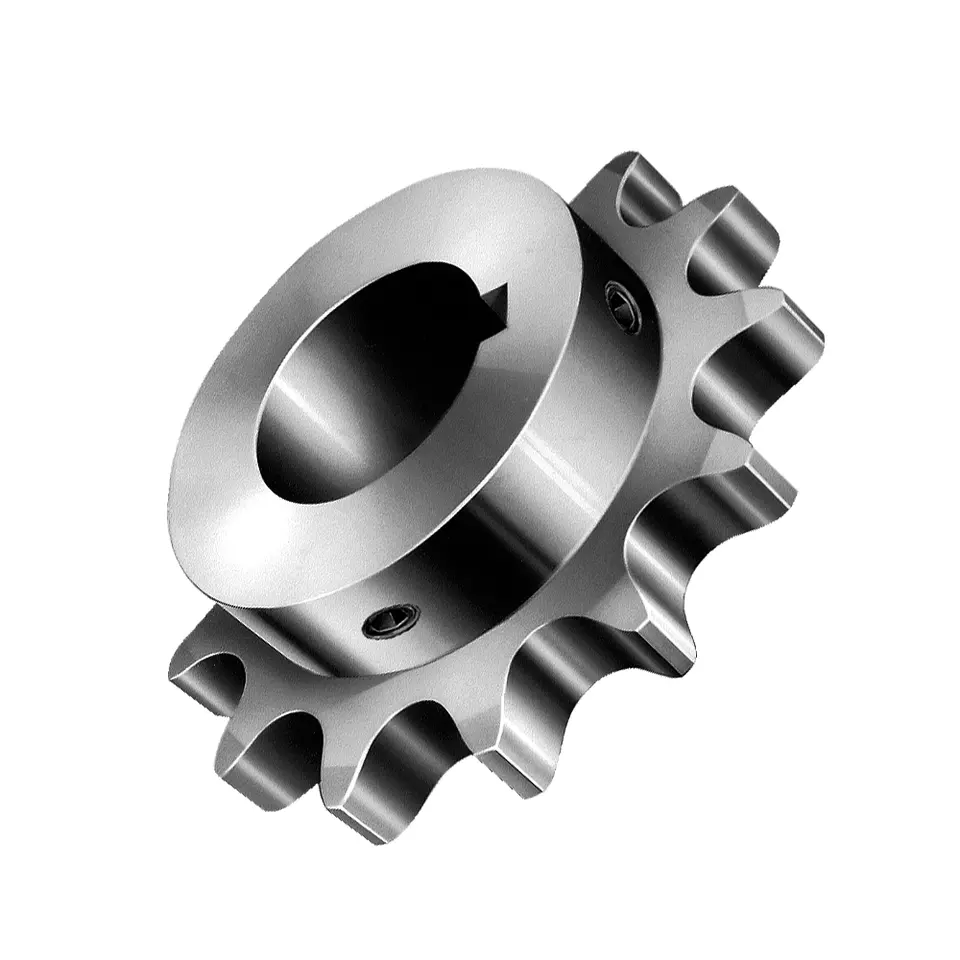
Choosing the Right Material for a Sprocket to Ensure Longevity
Choosing the right material for a sprocket is crucial to ensure its longevity and reliable performance in a given application. The material selection depends on various factors such as load, speed, operating environment, and budget. Here are some common materials used for sprockets and their considerations:
- Acciaio: Steel sprockets are widely used in a wide range of applications due to their excellent strength, durability, and wear resistance. They are suitable for heavy-duty and high-speed operations. Different grades of steel, such as carbon steel or alloy steel, offer varying levels of hardness and strength.
- Acciaio inossidabile: Stainless steel sprockets are preferred when corrosion resistance is essential, making them suitable for applications where the sprocket is exposed to moisture, chemicals, or outdoor elements. They are commonly used in food processing, pharmaceutical, and marine industries.
- Cast Iron: Cast iron sprockets offer good wear resistance and are often used in low to medium-speed applications. They are cost-effective and provide excellent performance in less demanding conditions.
- Plastica: Plastic sprockets are lightweight and corrosion-resistant. They are commonly used in applications where low noise, self-lubrication, and resistance to chemicals or moisture are required. However, they have limited load-carrying capacity and may not be suitable for heavy-duty applications.
- Alluminio: Aluminum sprockets are lightweight and commonly used in applications where weight reduction is critical, such as aerospace and certain machinery. However, they are not as durable as steel sprockets and are not suitable for high loads or harsh environments.
When choosing the right material for a sprocket, consider the following:
- Load Capacity: Select a material that can handle the expected loads in the application without deforming or wearing excessively.
- Speed: Higher speeds may require materials with better heat dissipation and wear resistance.
- Environment: Consider factors such as moisture, chemicals, temperature, and outdoor exposure. Choose a material with suitable corrosion resistance and resilience to environmental conditions.
- Maintenance: Some materials may require more frequent maintenance or lubrication to ensure longevity.
- Cost: Balance the material’s performance with the budget constraints of the project.
It’s essential to consult with sprocket manufacturers or material experts to determine the most appropriate material for your specific application. They can provide valuable insights and recommendations based on your requirements, helping to ensure the longevity and optimal performance of the sprocket in your machinery or equipment.
Advantages of Using a wheel sprocket Configuration
Using a wheel sprocket configuration for power transmission offers several advantages over other methods. Here are some key benefits:
1. Efficient Power Transmission:
The wheel sprocket assembly provide a highly efficient method of transmitting power between shafts with minimal energy loss. The teeth of the sprocket mesh with the links of the chain or the teeth of another sprocket, ensuring a positive engagement that reduces slippage and maximizes power transfer.
2. Versatility:
Wheels and sprockets are available in various sizes, configurations, and materials, making them highly versatile components for different applications. They can accommodate a wide range of speed and torque requirements, making them suitable for various mechanical systems.
3. Compact Design:
The compact design of wheel sprocket assemblies allows for space-saving installations in machinery. The concentric arrangement of the components minimizes the overall footprint, making it ideal for applications with limited space.
4. Precise Speed Control:
By selecting sprockets with different numbers of teeth, the gear ratio can be easily adjusted to achieve precise speed control in the driven shaft. This level of control is essential for many applications, such as conveyor systems, where different speeds are required for different processes.
5. High Torque Capacity:
wheel sprocket systems can handle high torque loads, making them suitable for heavy-duty applications. This high torque capacity is especially beneficial in industrial settings where large loads need to be moved or lifted.
6. Smooth and Quiet Operation:
When properly lubricated and maintained, the interaction between the sprocket and the chain or other sprockets results in smooth and quiet operation. This makes wheel sprocket systems preferable in applications where noise reduction is important.
7. Easy Installation and Maintenance:
Installing a wheel sprocket assembly is relatively straightforward, and they require minimal maintenance when used correctly. Periodic lubrication and tension adjustments are typically all that is needed to keep the system running smoothly.
8. Suitable for High-Speed Applications:
wheel sprocket configurations are well-suited for high-speed applications where belts or gears may not be as practical due to limitations in speed capabilities.
In summary, the wheel sprocket configuration offers efficient power transmission, versatility, compactness, precise speed control, high torque capacity, smooth operation, and ease of installation and maintenance. These advantages make it a popular choice in a wide range of mechanical systems and industrial applications.


editor by CX 2024-04-11