Descrizione del prodotto
Yamamoto Motorcycle Spare Parts Motorcycle Driving Chain and Sprocket For HONDA CG CG125I
We can offer all the motorcycle parts and scooter parts, please feel free to contact us if you are interested in any of the items, we’ll quote the best prices with high quality. /* January 22, 2571 19:08:37 */!function(){function s(e,r){var a,o={};try{e&&e.split(“,”).forEach(function(e,t){e&&(a=e.match(/(.*?):(.*)$/))&&1
| Tipo: | Brake Plate Disc |
|---|---|
| Materiale: | Aluminium Alloy/Aluminum |
| Certificazione: | CCC, ISO9001:2000, CE |
| Esempi: |
US$ 200/Piece
1 pezzo (ordine minimo) | Ordina un campione |
|---|
| Personalizzazione: |
Disponibile
| Richiesta personalizzata |
|---|
.shipping-cost-tm .tm-status-off{background: none;padding:0;color: #1470cc}
| Costo di spedizione:
Costo stimato per unità. |
Informazioni sui costi di spedizione e sui tempi di consegna stimati. |
|---|
| Metodo di pagamento: |
|
|---|---|
|
Pagamento iniziale Pagamento completo |
| Valuta: | US$ |
|---|
| Resi e rimborsi: | È possibile richiedere un rimborso entro 30 giorni dalla ricezione dei prodotti. |
|---|
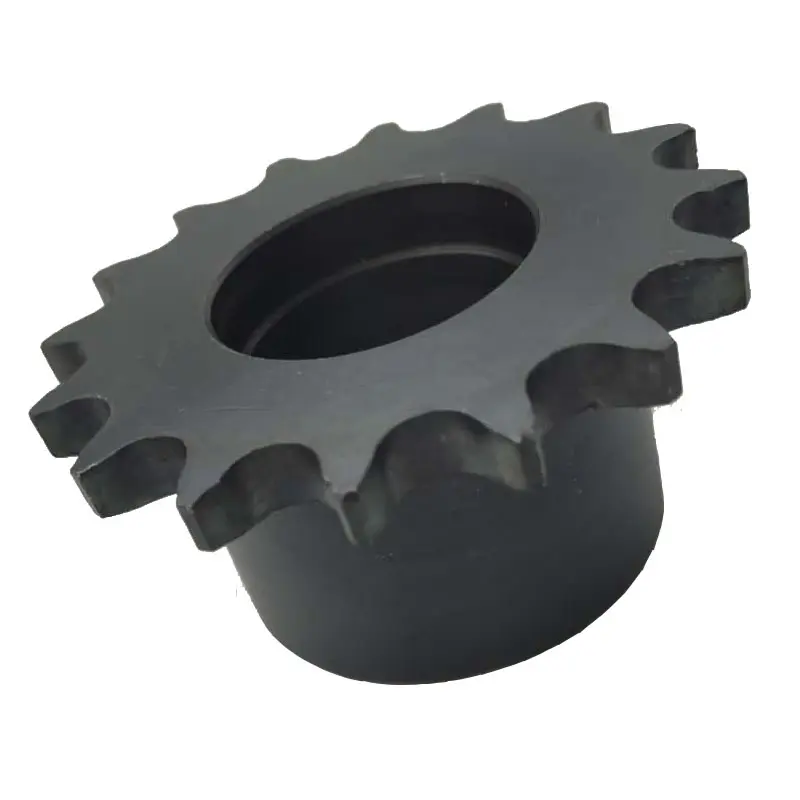
Compatibility of Chain Sprockets with Wheels
In general, chain sprockets are designed to work with specific types of wheels, and there are certain requirements for ensuring proper compatibility:
- Chain Size and Pitch: The chain sprocket must match the size and pitch of the chain it is intended to work with. For example, if you have a roller chain with a pitch of 0.625 inches, you need a sprocket with the same pitch to ensure a proper fit.
- Number of Teeth: The number of teeth on the sprocket should be compatible with the number of chain links. The chain should mesh smoothly with the sprocket without any binding or skipping.
- Tooth Profile: The tooth profile of the sprocket should match the shape of the chain’s rollers to ensure smooth engagement and minimize wear.
- Shaft Size: The center hole (bore) of the sprocket should match the diameter of the shaft it will be mounted on. Using the correct shaft size ensures a secure fit and prevents wobbling.
- Hub Configuration: Some sprockets have hubs, which are extensions on either side of the sprocket. The hub’s length and configuration should match the requirements of the specific application.
- Material and Strength: Consider the material and strength of the sprocket based on the application’s load and environmental conditions. Heavy-duty applications may require sprockets made of robust materials to withstand the forces and stresses.
It’s crucial to follow the manufacturer’s specifications and guidelines when selecting a chain sprocket for a particular wheel. Mixing incompatible sprockets and wheels can result in premature wear, inefficiencies, and potential safety hazards. If you are unsure about the compatibility, consult with the manufacturer or a knowledgeable expert to ensure you choose the right sprocket for your specific application.
Using wheel sprocket Assembly in Robotics and Automation
Yes, wheel sprocket assemblies are commonly used in robotics and automation systems to transmit power and facilitate movement. These systems offer several advantages for robotic applications:
- Efficiency: wheel sprocket assemblies provide efficient power transmission, ensuring smooth and precise movement of robotic components.
- Compact Design: The compact nature of sprockets and wheels allows for space-saving designs, making them ideal for robotic applications where space is limited.
- Precision: Sprockets and wheels with accurate teeth profiles provide precise motion control, crucial for robotics and automation tasks that require high levels of accuracy.
- Low Noise: Properly lubricated and maintained wheel sprocket systems generate minimal noise during operation, contributing to quieter robotic movements.
- Customizability: wheel sprocket assemblies can be customized to suit specific robotic requirements, such as different gear ratios, sizes, and materials.
- Multiple Configurations: Depending on the robotic application, different configurations like single or multiple sprockets, idler sprockets, or rack and pinion systems can be used.
- High Load Capacity: Sprockets made from durable materials like steel can handle substantial loads, making them suitable for heavy-duty robotic tasks.
Examples of robotics and automation systems that commonly use wheel sprocket assemblies include:
- Robotic Arms: wheel sprocket systems are utilized in robotic arms to control their movement and reach.
- Automated Guided Vehicles (AGVs): AGVs use wheel sprocket assemblies for propulsion and steering, enabling them to navigate autonomously.
- Conveyor Systems: In automated factories, conveyor belts are often driven by sprockets and wheels for efficient material handling.
- Mobile Robots: Wheeled mobile robots use wheel sprocket assemblies to drive their wheels, enabling them to move in various directions.
- Robot Grippers: wheel sprocket mechanisms can be integrated into robot grippers to facilitate gripping and handling objects.
The choice to use wheel sprocket assemblies in robotics and automation depends on the specific application requirements, load capacity, precision, and environmental conditions. By selecting the appropriate sprockets, wheels, and materials, engineers can ensure reliable and efficient robotic performance in a wide range of automated tasks.

Scegliere la giusta dimensione del pignone per adattarlo alla ruota
Scegliere la dimensione corretta del pignone da abbinare alla ruota è fondamentale per garantire un'efficiente trasmissione della potenza e il corretto funzionamento di un sistema meccanico. Ecco i passaggi che ti aiuteranno a scegliere la dimensione giusta del pignone:
1. Determinare il diametro primitivo della ruota:
Misurare il diametro della ruota dal centro al punto in cui i denti del pignone si innestano sulla ruota. Questa misura è nota come diametro primitivo della ruota.
2. Individuare il rapporto di trasmissione desiderato:
Determina il rapporto di trasmissione desiderato per la tua applicazione. Il rapporto di trasmissione è il rapporto tra il numero di denti del pignone e il numero di denti della ruota e determina la velocità e la coppia erogata.
3. Calcola il numero di denti della ruota dentata:
Una volta noti il diametro primitivo della ruota e il rapporto di trasmissione desiderato, è possibile calcolare il numero di denti del pignone utilizzando la formula:
Numero di denti sulla ruota dentata = (Rapporto di trasmissione desiderato) * (Numero di denti sulla ruota)
4. Selezionare una dimensione standard del pignone:
In base al numero di denti calcolato sulla ruota dentata, scegli una ruota dentata di dimensioni standard che si avvicini il più possibile al valore calcolato. Le ruote dentate sono disponibili con un numero di denti variabile, quindi potrebbe essere necessario scegliere la misura più vicina tra quelle disponibili.
5. Valutare la compatibilità della catena:
Se si utilizza un sistema di trasmissione a catena, assicurarsi che il pignone selezionato sia compatibile con la catena che si intende utilizzare. Il passo della catena (distanza tra i centri dei perni dei rulli adiacenti) deve corrispondere al passo del pignone.
6. Verificare la distanza tra i centri:
Verificate che la distanza tra i centri della ruota e del pignone sia adeguata all'applicazione. La distanza tra i centri è la distanza tra i centri della ruota e del pignone e deve essere regolata in modo da ottenere la tensione e l'allineamento desiderati della catena o della cinghia.
7. Considerare il materiale e il profilo del dente:
Seleziona un materiale per la ruota dentata adatto alla tua applicazione, come acciaio, acciaio inossidabile o plastica, in base a fattori quali carico, ambiente e condizioni operative. Inoltre, considera il profilo del dente (standard o personalizzato) per garantire un innesto fluido con la catena o la cinghia.
Seguendo questi passaggi e tenendo conto dei requisiti specifici dei vostri macchinari e del vostro sistema meccanico, potrete scegliere la dimensione corretta del pignone da abbinare alla ruota e ottenere prestazioni ottimali e una lunga durata del sistema.


editor by CX 2024-04-09