Descrizione del prodotto
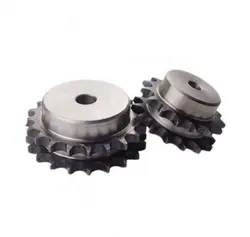
Sprockets for Drop Forged Chains
| Chain Modello |
Pece (mm) |
Gear Number Z |
D2 (mm) |
D (mm) |
D3 (mm) |
D1 (mm) |
D4 (mm) |
A (mm) |
Number of Bolts |
Bolt Size |
B (mm) |
C (mm) |
| P100 | 100 | 6 | 197.8 | 70 | 105 | 143 | 135 | 83 | 6 | M12 | 16 | 36 |
| 100 | 7 | 228.2 | 70 | 108 | 146 | 173 | 83 | 6 | M12 | 16 | 36 | |
| 100 | 8 | 259.1 | 85 | 144 | 170 | 196 | 83 | 6 | M12 | 16 | 36 | |
| 100 | 9 | 290.4 | 105 | 174 | 200 | 232 | 83 | 6 | M12 | 16 | 36 | |
| 100 | 10 | 321.9 | 105 | 179 | 241.3 | 264 | 83 | 8 | M12 | 16 | 36 | |
| P142 | 142 | 6 | 284 | 85 | 136.5 | 168.3 | 190.5 | 112 | 6 | M12 | 16 | 46 |
| 142 | 7 | 327.3 | 105 | 162 | 200 | 234 | 112 | 6 | M16 | 16 | 46 | |
| 142 | 8 | 371.1 | 115 | 187.3 | 241.3 | 282 | 127 | 8 | M20 | 16 | 46 | |
| 142 | 9 | 415.2 | 150 | 240 | 285.8 | 330 | 127 | 8 | M20 | 16 | 46 | |
| 142 | 10 | 459.5 | 150 | 240 | 285.8 | 330 | 127 | 8 | M20 | 16 | 46 | |
| 142 | 11 | 504 | 170 | 310 | 368.3 | 419 | 150 | 8 | M20 | 16 | 46 | |
| 142 | 12 | 548.6 | 170 | 345 | 415 | 465 | 150 | 8 | M20 | 16 | 46 | |
| 142 | 13 | 593.4 | 170 | 380 | 470 | 521 | 150 | 8 | M20 | 16 | 46 | |
| 142 | 14 | 638.1 | 170 | 380 | 470 | 546 | 150 | 10 | M20 | 16 | 46 | |
| P142H | 142 | 7 | 327.3 | 105 | 162 | 200 | 234 | 127 | 6 | M16 | 18 | 69 |
| 142 | 8 | 371.1 | 115 | 187.3 | 241.3 | 282 | 150 | 8 | M20 | 18 | 69 | |
| 142 | 9 | 415.2 | 150 | 240 | 285.8 | 330 | 150 | 8 | M20 | 18 | 69 | |
| 142 | 10 | 459.5 | 150 | 240 | 285.8 | 330 | 150 | 8 | M20 | 18 | 69 | |
| 142 | 11 | 504 | 170 | 310 | 368.3 | 419 | 150 | 8 | M20 | 18 | 69 | |
| 142 | 12 | 548.6 | 170 | 345 | 415 | 465 | 150 | 8 | M20 | 18 | 69 | |
| 142 | 13 | 593.4 | 170 | 380 | 470 | 520 | 180 | 8 | M20 | 18 | 69 | |
| 142 | 14 | 638.1 | 170 | 380 | 470 | 546 | 180 | 10 | M20 | 18 | 69 |
Trailers for Drop Forged Chains
| Chain Model | Gear Number Z |
D1 (mm) |
D (mm) |
A (mm) |
C (mm) |
| P100 | 6 | 197.8 | 65 | 57 | 35 |
| 7 | 228.2 | 65 | 57 | 35 | |
| 8 | 259.1 | 65 | 57 | 35 | |
| 9 | 290.4 | 65 | 57 | 35 | |
| 10 | 321.9 | 65 | 57 | 35 | |
| P142 | 6 | 284 | 85 | 74 | 45 |
| 7 | 327.3 | 85 | 74 | 45 | |
| 8 | 371.1 | 85 | 77 | 45 | |
| 9 | 415.2 | 115 | 77 | 45 | |
| 10 | 459.5 | 115 | 77 | 45 | |
| 11 | 504 | 115 | 105 | 45 | |
| 12 | 548.6 | 115 | 105 | 45 | |
| 13 | 593.4 | 115 | 120 | 45 | |
| 14 | 638.1 | 115 | 120 | 45 | |
| P142H | 7 | 327.3 | 115 | 110 | 75 |
| 8 | 371.1 | 115 | 110 | 75 | |
| 9 | 415.2 | 115 | 110 | 75 | |
| 10 | 459.5 | 115 | 120 | 75 | |
| 11 | 504 | 140 | 120 | 75 | |
| 12 | 548.6 | 140 | 120 | 75 | |
| 13 | 593.4 | 140 | 120 | 75 | |
| 14 | 638.1 | 140 | 140 | 75 |
Note: Customized sizes and material are available CZPT request
Sprockets for Roller Conveyor Chains
| Modello | Pitch(mm) | Gear Number Z |
d1 (mm) |
d (mm) |
D (mm) |
D1 (mm) |
A (mm) |
B (mm) |
| 66.675 | 66.675 | 6 | 22.23 | 133.41 | 40 | 75 | 80 | 22.8 |
| 66.675 | 7 | 22.23 | 153.74 | 40 | 75 | 80 | 22.8 | |
| 66.675 | 8 | 22.23 | 174.31 | 50 | 100 | 100 | 22.8 | |
| 66.675 | 9 | 22.23 | 195.04 | 50 | 100 | 100 | 22.8 | |
| 66.675 | 10 | 22.23 | 215.87 | 60 | 110 | 100 | 22.8 | |
| 66.675 | 11 | 22.23 | 236.78 | 60 | 110 | 100 | 22.8 | |
| 66.675 | 12 | 22.23 | 257.74 | 60 | 110 | 100 | 22.8 | |
| 100 | 100 | 8 | 36 | 261.44 | 60 | 110 | 100 | 33.2 |
| 100 | 9 | 36 | 292.52 | 70 | 120 | 100 | 33.2 | |
| 100 | 10 | 36 | 323.77 | 70 | 120 | 100 | 33.2 |
Tht
The full range of our conveyor products:
| Pacchetto di trasporto: | Pallet |
|---|---|
| Specifiche: | Drop Forged Chain Sprockets, Roller Chain Sprocket |
| Trademark: | Yutung |
| Origin: | China |
| Esempi: |
US$ 10/Piece
1 pezzo (ordine minimo) | |
|---|
| Personalizzazione: |
Disponibile
| Richiesta personalizzata |
|---|

Factors Affecting the Efficiency of a wheel sprocket Setup
Several factors can influence the efficiency of a wheel sprocket system in power transmission and motion control applications. These factors should be carefully considered and optimized to ensure the system’s overall effectiveness and performance:
- 1. Friction: Friction between the wheel, sprocket, and the chain or belt can lead to energy losses. Using high-quality materials and lubrication can help reduce friction and improve efficiency.
- 2. Alignment: Proper alignment between the wheel and the sprocket is critical. Misalignment can cause increased wear, noise, and reduced efficiency. Regular maintenance and alignment checks are essential.
- 3. Tension: The correct tension in the chain or belt is crucial for efficient power transmission. Too loose or too tight tension can lead to performance issues and premature wear.
- 4. Material and Design: The choice of materials for the wheel sprocket, as well as their design, can impact efficiency. High-quality materials and well-engineered components reduce wear and improve overall system performance.
- 5. Load Distribution: Uneven load distribution across the wheel sprocket can lead to localized wear and decreased efficiency. Ensuring proper load distribution helps maintain uniform wear and power transmission.
- 6. Environmental Factors: Harsh environmental conditions, such as dust, moisture, and extreme temperatures, can affect the efficiency of the system. Choosing suitable materials and implementing protective measures can mitigate these effects.
- 7. Maintenance: Regular maintenance, including lubrication, inspection, and timely replacement of worn components, is vital for the long-term efficiency of the system.
- 8. Speed and Torque: The operating speed and torque requirements of the application should be considered when selecting the appropriate wheel sprocket size and specifications.
- 9. Chain or Belt Type: Different types of chains or belts, such as roller chains, silent chains, or toothed belts, have varying efficiencies. Choosing the right type for the specific application is crucial.
- 10. System Integration: The wheel sprocket system should be integrated correctly with other components in the machinery to ensure smooth operation and minimal energy losses.
By carefully considering and optimizing these factors, it is possible to improve the efficiency of the wheel sprocket system, leading to reduced energy consumption, less wear and tear, and overall better performance.
Ispezione di una ruota dentata per verificare l'usura.
Ispezionare regolarmente il pignone della ruota è fondamentale per garantirne il corretto funzionamento e per individuare eventuali segni di usura. Ecco i passaggi per ispezionare un pignone:
- Ispezione visiva: Iniziate esaminando visivamente il pignone della ruota per individuare eventuali segni visibili di usura, danni o deformazioni. Cercate crepe, scheggiature, ammaccature o irregolarità sulla superficie di entrambi i componenti.
- Verifica la presenza di disallineamenti: Verificare che i pignoni delle ruote siano correttamente allineati tra loro. Un disallineamento può causare un'usura accelerata e compromettere le prestazioni complessive del sistema.
- Abbigliamento corto: Utilizza un calibro o un misuratore di usura per misurare il profilo dei denti del pignone e la superficie di rotolamento della ruota. Confronta queste misurazioni con le specifiche originali per determinare se si è verificata un'usura significativa.
- Ispezionare i denti e l'innesto della catena: Se la ruota dentata fa parte di un sistema di trasmissione a catena, esaminare attentamente i denti della ruota e l'innesto della catena. Denti usurati o allungati possono causare un innesto inadeguato della catena e portare a guasti prematuri.
- Lubrificazione: Verificare la lubrificazione del pignone della ruota. Una lubrificazione insufficiente o eccessiva può causare un aumento dell'attrito, con conseguente usura e riduzione dell'efficienza.
- Condizioni del cuscinetto: Se la ruota è montata su un albero con cuscinetti, ispezionare i cuscinetti per individuare eventuali segni di usura, rumori o movimenti anomali. Cuscinetti in buono stato di funzionamento sono fondamentali per il corretto funzionamento del sistema.
- Ispezionare i componenti di montaggio: Assicurarsi che tutti i dadi, i bulloni e gli altri elementi di fissaggio siano serrati saldamente. Elementi di fissaggio allentati possono causare vibrazioni e problemi di disallineamento.
- Verificare la presenza di contaminanti: Rimuovere eventuali detriti, sporco o particelle estranee che potrebbero essersi accumulate sulla ruota o sul pignone. I contaminanti possono accelerare l'usura e danneggiare i componenti.
- Sostituzione o manutenzione: In base ai risultati dell'ispezione, stabilire se è necessario sostituire qualche componente o se è richiesta manutenzione. Risolvere tempestivamente eventuali problemi per prevenire ulteriori danni e mantenere le prestazioni del sistema.
Ispezioni e manutenzioni programmate regolarmente possono contribuire a prolungare la durata del gruppo ruota dentata, a ottimizzarne le prestazioni e a garantire la sicurezza del sistema meccanico.
Can a wheel sprocket System be Used in Bicycles and Other Vehicles?
Yes, a wheel sprocket system is commonly used in bicycles and various other vehicles. In bicycles, the wheel sprocket system is a fundamental part of the drivetrain, which transfers power from the rider’s legs to the wheels, propelling the bicycle forward.
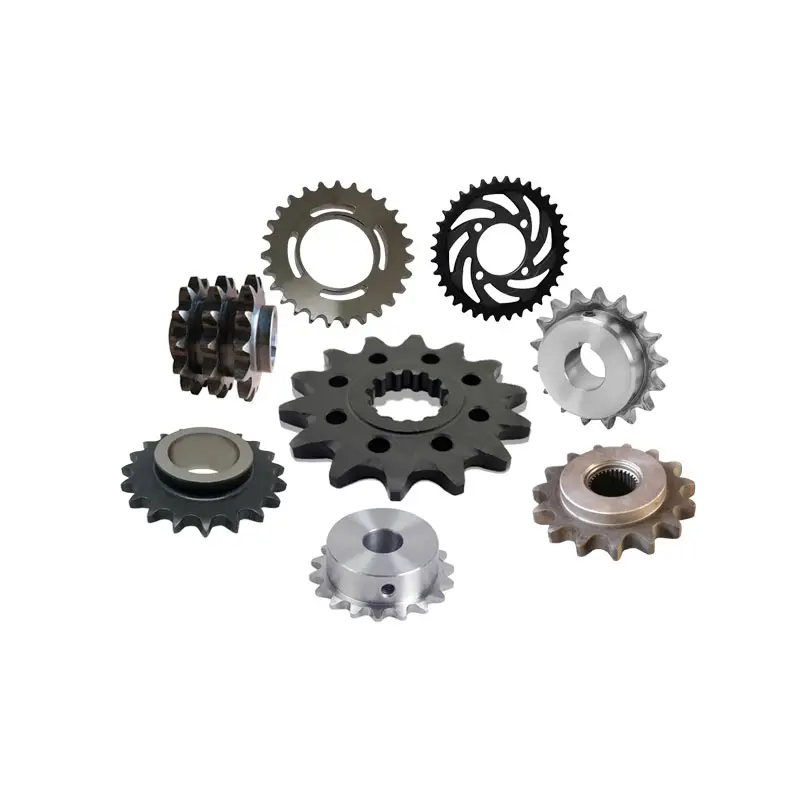
The typical bicycle drivetrain consists of a chain, front sprockets (chainrings), rear sprockets (cassette), and the bicycle’s wheels. When the rider pedals the bicycle, the chain engages with the sprockets, and as a result, the rotational motion from the pedaling is transferred to the rear wheel.
The selection of sprocket sizes (number of teeth on chainrings and cassette) can affect the gear ratio, allowing cyclists to adjust their pedaling effort and speed to suit different terrains and riding conditions. Smaller sprockets provide easier pedaling for climbing steep hills, while larger sprockets offer higher speeds on flat or downhill sections.
Beyond bicycles, the wheel sprocket system is widely used in various other vehicles and machinery to transmit power and control speed. It can be found in motorcycles, mopeds, electric scooters, and even some small electric vehicles. Additionally, the wheel sprocket system is prevalent in industrial machinery, where precise speed control and torque transmission are essential.
The efficiency and reliability of the wheel sprocket system make it a versatile and practical choice for many vehicles and mechanical applications.


editor by CX 2023-09-26