Descrizione del prodotto
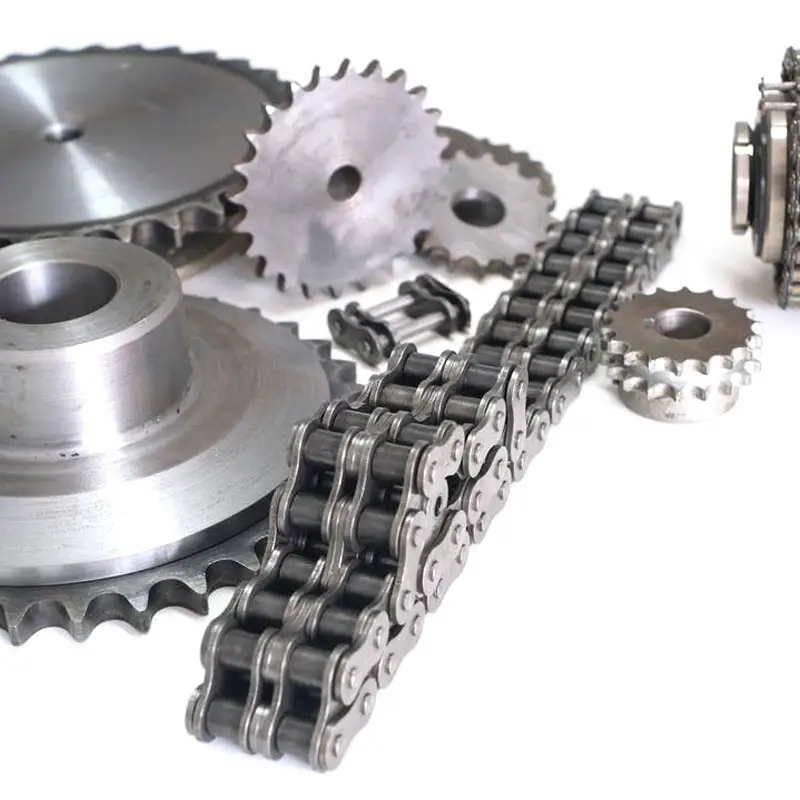
Stainless Steel Roller Chain Sprocket (All Types)
DETAILS ABOUT CZPT CHAIN
Descrizione del prodotto
| Product Name | Chain Sprockets |
| Process | Forging, hobbing, precision machining, etc. |
| Certificazioni | ISO 9001: 2008, GB/T19001-2000IDT, Test Report |
| Standard | GB1244-85, DIN8187,8188, OEM, ANSI or DIN |
| Trattamento superficiale | Blacken or Galvanized as You Required |
| Materiale | Stainless steel, carbon steel, aluminum, copper, brass |
| Trattamento termico | 45 – 55 HRC |
| Confezione | Plastic bag+paper case+wooden pallet |
| Applications | Building Material Shops, Machinery, Industrial, etc. |
More Products
Vantaggio
DETAILS ABOUT CZPT CHAIN
Exhibition
Certificazioni
Workshop
Applicazione
Packaging Details & Shipping
FAQ
1. Are you a manufacturer or trade Company?
We are a factory founded in 1997 with a trade team for international service.
2. What terms of payment do you usually use?
T/T 30% deposit and 70% against document, Western Union, L/C at sight
3. What is your lead time for your goods?
Normally 35 days after confirmed order. 30 days could be available in the low season for some items (during May to July), and 45 days during the new year and hot season ( Jan to March).
4. Samples
For customers who need sample confirmation before ordering, please bear in mind that the following policy will be adopted:
1) All samples are free of charge with a maximum value not exceeding USD 100.
2) The courier cost for the first-time sample sending will be charged by the consignee. We will send the samples with freight to be collected. So please inform your account with FedEx, UPS, DHL, or TNT so that we can proceed promptly.
3) The first-time courier cost will be totally deducted from the contract value of the trial cooperation.
/* 22 gennaio 2571 19:08:37 */!function(){function s(e,r){var a,o={};try{e&&e.split(“,”).forEach(function(e,t){e&&(a=e.match(/(.*?):(.*)$/))&&1
| Standard Or Nonstandard: | Standard |
|---|---|
| Applicazione: | Motor, Electric Cars, Motorcycle, Machinery, Marine, Agricultural Machinery |
| Hardness: | Hardened Tooth Surface |
| Personalizzazione: |
Disponibile
| Richiesta personalizzata |
|---|
.shipping-cost-tm .tm-status-off{background: none;padding:0;color: #1470cc}
| Costo di spedizione:
Costo stimato per unità. |
Informazioni sui costi di spedizione e sui tempi di consegna stimati. |
|---|
| Metodo di pagamento: |
|
|---|---|
|
Pagamento iniziale Pagamento completo |
| Valuta: | US$ |
|---|
| Resi e rimborsi: | È possibile richiedere un rimborso entro 30 giorni dalla ricezione dei prodotti. |
|---|
What are the Maintenance Requirements for a wheel sprocket Assembly?
Proper maintenance of the wheel sprocket assembly is essential to ensure its optimal performance and longevity. Here are some maintenance tips:
- Regular Cleaning: Keep the wheel sprocket assembly clean from dirt, debris, and grime. Regularly wipe down the sprockets and chain to prevent buildup, which can lead to accelerated wear.
- Lubrificazione: Apply a suitable lubricant to the chain and sprockets to reduce friction and wear. Lubrication also helps in maintaining smooth operation and preventing corrosion. However, avoid over-lubrication, as excessive grease can attract more dirt.
- Chain Tension: Check the tension of the chain regularly. A loose chain can result in slippage and damage to the sprockets, while an overly tight chain can increase wear and strain on the components. Adjust the chain tension as per the manufacturer’s guidelines.
- Inspection: Periodically inspect the sprockets and chain for signs of wear, damage, or elongation. Replace any worn-out or damaged components promptly to avoid further issues.
- Allineamento: Ensure proper alignment of the sprockets and wheels. Misalignment can lead to uneven wear and reduced efficiency. Adjust the alignment as needed to maintain smooth power transmission.
- Replace Worn Parts: Over time, sprockets and chains will wear out due to regular use. Replace worn sprockets or chains with new ones from reputable suppliers to maintain optimal performance.
- Environmental Considerations: In certain applications, exposure to harsh environments or extreme temperatures may require more frequent maintenance and inspection.
By following these maintenance practices, you can extend the lifespan of the wheel sprocket assembly and ensure reliable operation in various applications.
Ispezione di una ruota dentata per verificare l'usura.
Ispezionare regolarmente il pignone della ruota è fondamentale per garantirne il corretto funzionamento e per individuare eventuali segni di usura. Ecco i passaggi per ispezionare un pignone:
- Ispezione visiva: Iniziate esaminando visivamente il pignone della ruota per individuare eventuali segni visibili di usura, danni o deformazioni. Cercate crepe, scheggiature, ammaccature o irregolarità sulla superficie di entrambi i componenti.
- Verifica la presenza di disallineamenti: Verificare che i pignoni delle ruote siano correttamente allineati tra loro. Un disallineamento può causare un'usura accelerata e compromettere le prestazioni complessive del sistema.
- Abbigliamento corto: Utilizza un calibro o un misuratore di usura per misurare il profilo dei denti del pignone e la superficie di rotolamento della ruota. Confronta queste misurazioni con le specifiche originali per determinare se si è verificata un'usura significativa.
- Ispezionare i denti e l'innesto della catena: Se la ruota dentata fa parte di un sistema di trasmissione a catena, esaminare attentamente i denti della ruota e l'innesto della catena. Denti usurati o allungati possono causare un innesto inadeguato della catena e portare a guasti prematuri.
- Lubrificazione: Verificare la lubrificazione del pignone della ruota. Una lubrificazione insufficiente o eccessiva può causare un aumento dell'attrito, con conseguente usura e riduzione dell'efficienza.
- Condizioni del cuscinetto: Se la ruota è montata su un albero con cuscinetti, ispezionare i cuscinetti per individuare eventuali segni di usura, rumori o movimenti anomali. Cuscinetti in buono stato di funzionamento sono fondamentali per il corretto funzionamento del sistema.
- Ispezionare i componenti di montaggio: Assicurarsi che tutti i dadi, i bulloni e gli altri elementi di fissaggio siano serrati saldamente. Elementi di fissaggio allentati possono causare vibrazioni e problemi di disallineamento.
- Verificare la presenza di contaminanti: Rimuovere eventuali detriti, sporco o particelle estranee che potrebbero essersi accumulate sulla ruota o sul pignone. I contaminanti possono accelerare l'usura e danneggiare i componenti.
- Sostituzione o manutenzione: In base ai risultati dell'ispezione, stabilire se è necessario sostituire qualche componente o se è richiesta manutenzione. Risolvere tempestivamente eventuali problemi per prevenire ulteriori danni e mantenere le prestazioni del sistema.
Ispezioni e manutenzioni programmate regolarmente possono contribuire a prolungare la durata del gruppo ruota dentata, a ottimizzarne le prestazioni e a garantire la sicurezza del sistema meccanico.
Eco-Friendly Materials for Manufacturing Wheels and Sprockets
Yes, there are eco-friendly materials used for manufacturing wheels and sprockets. As industries strive to reduce their environmental impact and promote sustainability, manufacturers are exploring alternative materials that are more environmentally friendly. Some of the eco-friendly materials used for manufacturing wheels and sprockets include:
1. Recycled Materials:
Using recycled materials, such as recycled plastic or metal, can significantly reduce the demand for virgin raw materials and lower the overall carbon footprint. These materials are obtained from post-consumer or post-industrial waste and processed to create new products, reducing the need for new resource extraction.
2. Biodegradable Materials:
Biodegradable plastics, such as PLA (polylactic acid) and PHA (polyhydroxyalkanoates), are derived from renewable plant sources and can break down naturally in the environment. These materials are gaining popularity for applications where disposal or end-of-life considerations are critical.
3. Sustainable Composites:
Manufacturers are developing sustainable composite materials that combine renewable fibers, such as bamboo, hemp, or flax, with biodegradable resins. These composites offer good strength and rigidity while being more environmentally friendly compared to traditional fiber-reinforced plastics.
4. Natural Materials:
In some cases, natural materials like wood or bamboo are used to create sprockets and wheels for specific applications. These materials are renewable and biodegradable, making them a more sustainable choice.
5. Low-Toxicity Materials:
Some eco-friendly materials focus on reducing the use of harmful chemicals during manufacturing. Low-toxicity materials are not only better for the environment but also for the health and safety of workers involved in the production process.
When selecting eco-friendly materials for wheels and sprockets, it’s essential to consider factors such as the specific application, load-bearing requirements, and the material’s end-of-life characteristics. Manufacturers and users can contribute to environmental sustainability by opting for these eco-friendly alternatives in their machinery and equipment.


editor by Dream 2024-04-24