Descripción del Producto
Motorcycle Sprocket And Chain Kit
Fitment with:
-
Honda XL125 CG125 NXR125
KTM Duke 200 390
GN125Note:
Please make sure this item will fit your vehicle before you purchase.
Package included:
1# Front Sprocket : 20CrMnTi
2# Rear Sprocket : 45# ,Heat Treatment
3# Chain : 428H
More available parts for:
Motorcycle,Scooter,Cub,ATV,Pocket bike,Dirtbike/Off Road /Endura / Tricycle /3Wheelers etc
| HONDA | CG125 CG150 CG200 GY650( 125 150) C70 C90 C100 C110 CUB90 WAVE100 WAVE110 WS110 WAVE125 CB125 CB150 SH125 SH150 TMX125 XRM125 WH125 Spacy125 SCR110 Lead100 Lead110 Cargo150 GL NXR125 NXR150 DIO125 PCX125 PCX150 CB1 XL125 XL150 XR125 XR150 CBR250 CBR125 CBR150 Vario Blade CB110 Twister E-Storm CB190R CBZ160 NXR160 BIZ100 BIZ125 ECO Deluxe 100 TRX300/450 CB400 |
| YAMAHA | 3KJ JOG 50 2JA BWS MBK YB50 2JA JOG50 CRYPTON110 XC125 Y110 RX115 JY110 YBR125 MAJESTY250 CYGNUS X125 MIO NOUVO JUPITER-MX RXS115 Crypton115 Cyguns125 FZ16 FAZER250 YS150 R15 MT15 BWS125 VINO50 XT225 XTZ125 YBR125-K MIO-J |
| SUZUKI | GN125 GN150 AX100 GS125 AD50 AG50 HJ125 SMASH110 AX-4 GD110 Burgman 125 AN125 EN125 BEST125 Shogun125 LET’II |
| KAWASAKI | BC175 KRISS BAJAJ-CT100 BAJAJ-CNG125 KLX250 KLX150 NINJA250 EX300 ER6N |
| ITALIKA | CS125, DS125, XS125/150, DS150, GS150, WS150, ST70, STRADA70, ST90, AT110, ARGENTA110, FT110/125/150, XT110, FORZA150,150Z,250Z,CR5,CR7, |
| BAJAJ | CT100, PULSAR135/BOXER150/180/200, DISCOVER125/135, PLATINO100/125 Pulsar220NS BM150 ,XCD125 BM100,PULSAR200NS,RE205,BAJAJ 175 RE225, VARROC O/M,VARROC N/M |
| TVS | STAR 100,HLX125 Apache160 ApachE180 RTR 160/180,KING |
| KYMCO | Agility125 GY6-125,GY6-150,Agility125RS, |
| AKT | AK110S,AK100,AKT125 EVO TT ,AKT150 EVO TT,XM180/200, |
| Tipo: | Rueda de espigas |
|---|---|
| Material: | Acero |
| Proceso de dar un título: | ISO9001:2001, CCC |
| Number of Row: | Single Row |
| Chain: | 428h |
| Packing: | 20 Sets/CTN |
| Muestras: |
US$ 50/Piece
1 unidad (pedido mínimo) | |
|---|
| Personalización: |
Disponible
| Solicitud personalizada |
|---|
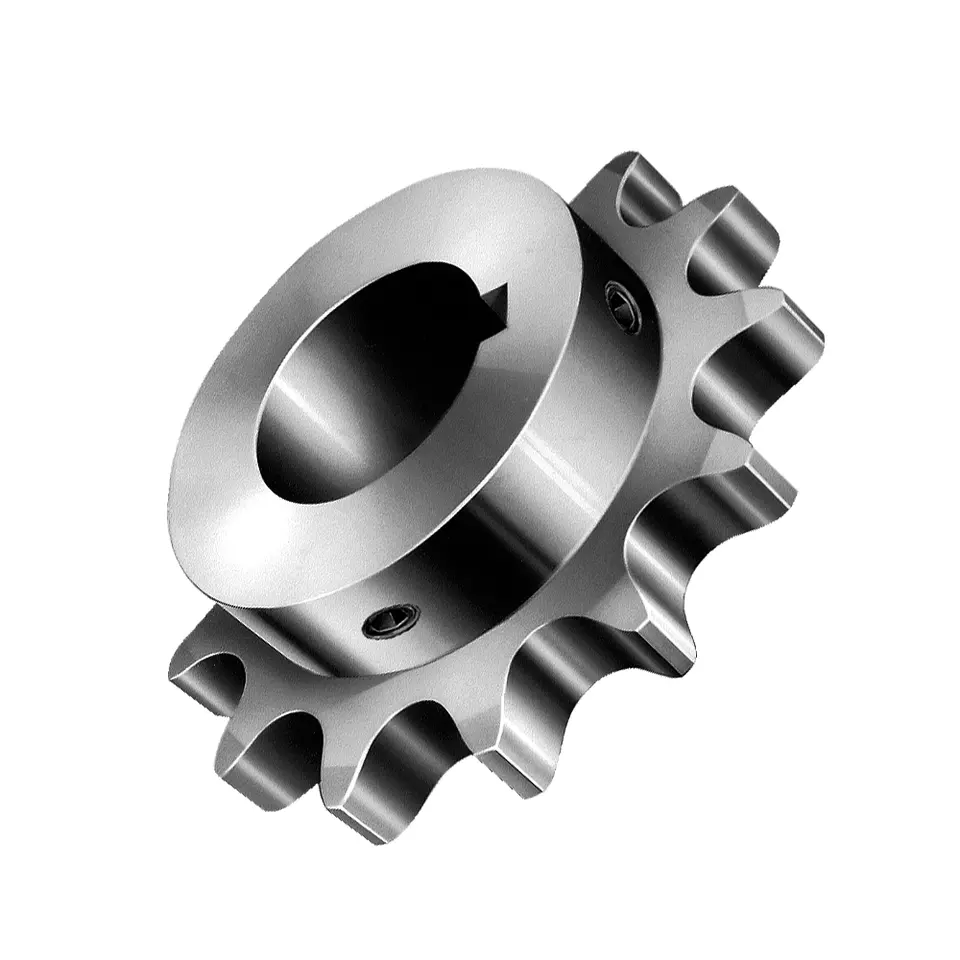
Safety Precautions for Working with wheel sprocket Systems
Working with wheel sprocket systems involves potential hazards, and it’s essential to follow safety precautions to prevent accidents and injuries. Here are some safety measures to consider:
- Proper Training: Ensure that anyone working with the wheel sprocket systems is adequately trained in their operation, maintenance, and safety procedures.
- Use Personal Protective Equipment (PPE): Always wear appropriate PPE, such as safety glasses, gloves, and protective clothing, to protect against potential hazards.
- Lockout/Tagout: Before performing any maintenance or repair work on the system, follow lockout/tagout procedures to prevent accidental startup or energization.
- Keep Work Area Clean: Maintain a clean work area and remove any debris or obstacles that could interfere with the operation of the system.
- Inspect Regularly: Regularly inspect the wheels, sprockets, and chains for signs of wear, damage, or misalignment. Address any issues promptly.
- Ensure Proper Lubrication: Adequate lubrication of the sprockets and chains is crucial for smooth operation and to reduce friction and wear.
- Check Tension: Verify that the chain tension is within the recommended range. Too loose or too tight tension can lead to operational problems.
- Avoid Loose Clothing: Keep long hair, loose clothing, and jewelry away from moving parts to avoid entanglement.
- Follow Manufacturer’s Guidelines: Adhere to the manufacturer’s guidelines and recommendations for installation, operation, and maintenance of the wheel sprocket system.
- Use Guards and Enclosures: Install appropriate guards and enclosures to protect against contact with moving parts.
- Safe Handling: When transporting or handling heavy wheels or sprockets, use proper lifting techniques and equipment.
Prioritizing safety when working with wheel sprocket systems is essential to prevent accidents and maintain a safe working environment. Always be vigilant, follow safety protocols, and address any concerns promptly to ensure the well-being of everyone involved.
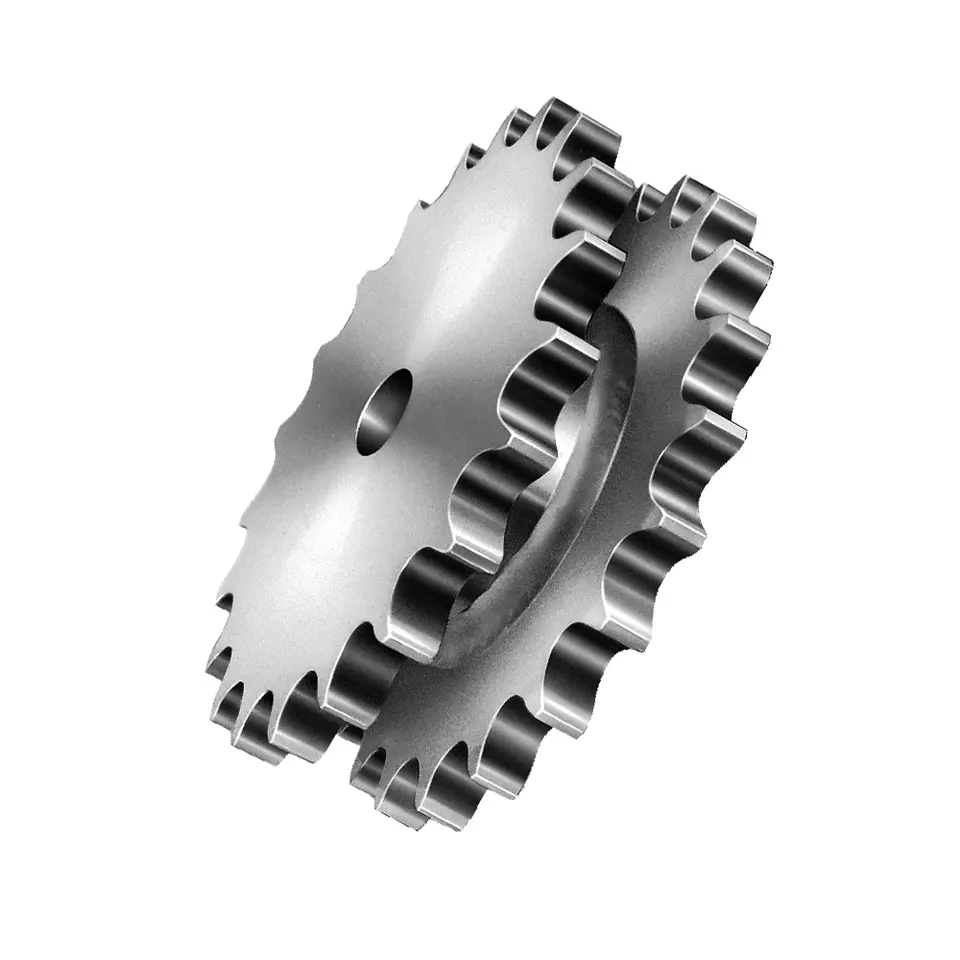
Temperature Limits for wheel sprocket System’s Operation
The temperature limits for a wheel sprocket system’s operation depend on the materials used in the construction of the components. Different materials have varying temperature tolerances, and exceeding these limits can lead to reduced performance, premature wear, and even system failure.
Here are some common materials used in wheel sprocket systems and their general temperature limits:
- Steel: Steel sprockets and wheels, which are widely used in many applications, typically have a temperature limit ranging from -40°C to 500°C (-40°F to 932°F). However, the specific temperature range may vary based on the grade of steel and any coatings or treatments applied.
- Stainless Steel: Stainless steel sprockets and wheels offer improved corrosion resistance and can withstand higher temperatures than regular steel. Their temperature limit is typically between -100°C to 600°C (-148°F to 1112°F).
- Plastics: Plastic sprockets and wheels are commonly used in low-load and low-speed applications. The temperature limit for plastic components varies widely depending on the type of plastic used. In general, it can range from -40°C to 150°C (-40°F to 302°F).
- Aluminum: Aluminum sprockets and wheels have a temperature limit of approximately -40°C to 250°C (-40°F to 482°F). They are often used in applications where weight reduction is critical.
It’s essential to consult the manufacturer’s specifications and material data sheets for the specific components used in the wheel sprocket system to determine their temperature limits accurately. Factors such as load, speed, and environmental conditions can also influence the actual temperature tolerance of the system.
When operating a wheel sprocket system near its temperature limits, regular monitoring and maintenance are necessary to ensure the components’ integrity and overall system performance. If the application involves extreme temperatures beyond the typical limits of the materials, specialized high-temperature materials or cooling measures may be required to maintain reliable operation.
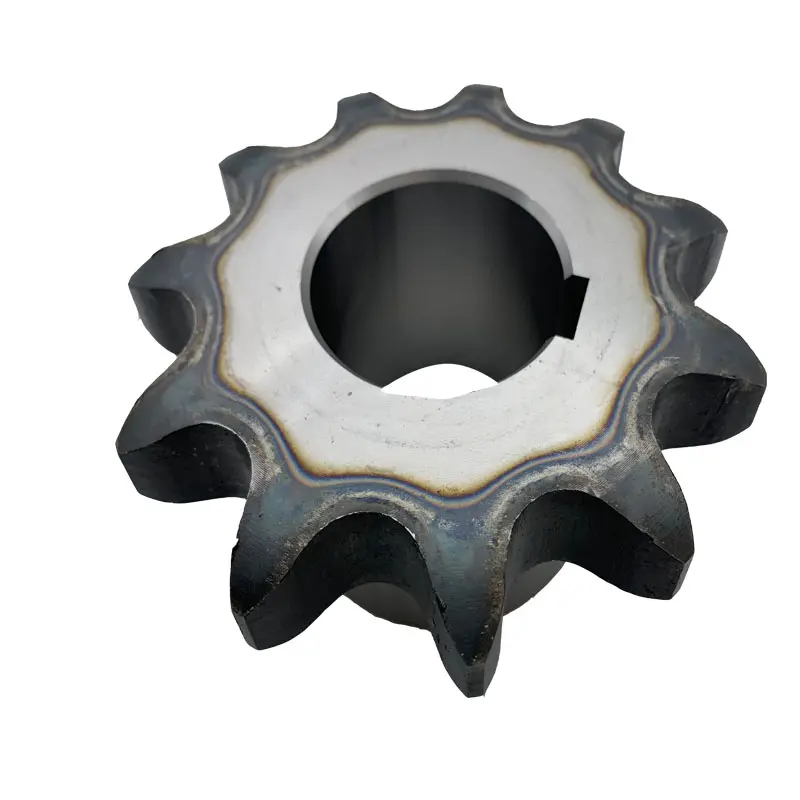
¿Cómo transmite potencia un conjunto de piñón de rueda?
En un sistema mecánico, un conjunto de rueda y piñón es un método común de transmisión de potencia, especialmente cuando se trata de movimiento rotatorio. El proceso de transmisión de potencia a través de un conjunto de rueda y piñón comprende los siguientes pasos:
1. Fuente de entrada:
El proceso de transmisión de potencia comienza con una fuente de entrada, como un motor eléctrico, un motor de combustión o la fuerza humana. Esta fuente de entrada proporciona la fuerza de rotación (par motor) necesaria para impulsar el sistema.
2. Rotación de la rueda:
Cuando la fuente de entrada aplica una fuerza de rotación a la rueda, esta comienza a girar alrededor de su eje central. El diseño y las propiedades del material de la rueda son esenciales para soportar la carga aplicada y facilitar una rotación suave.
3. Acoplamiento de la rueda dentada:
Conectada a la rueda se encuentra una rueda dentada, que está diseñada para engranar con una cadena. Cuando la rueda gira, los dientes de la rueda dentada se acoplan con los eslabones de la cadena, creando un sistema de transmisión positiva.
4. Rotación de la cadena:
Cuando la rueda dentada engrana con la cadena, la fuerza de rotación se transfiere a esta última. Los eslabones de la cadena transmiten este movimiento de rotación a lo largo de su longitud.
5. Componente impulsado:
El otro extremo de la cadena está conectado a una rueda dentada motriz, la cual está unida al componente que necesita ser accionado. Este componente motriz podría ser otra rueda, una cinta transportadora o cualquier otra pieza de una máquina que requiera movimiento.
6. Transmisión de potencia:
Al girar la cadena debido al acoplamiento con la rueda dentada, esta última también comienza a girar, transfiriendo la fuerza de rotación al componente accionado. El componente accionado recibe ahora la potencia y el movimiento de la fuente de entrada a través del conjunto formado por la rueda, la rueda dentada y la cadena.
7. Salida y funcionamiento:
El componente accionado realiza su función prevista en función de la potencia y el movimiento recibidos. Por ejemplo, en una bicicleta, el conjunto de cadena y piñón transmite la potencia del pedaleo del ciclista a la rueda trasera, impulsando la bicicleta hacia adelante.
En general, un conjunto de piñón y rueda es un método eficiente y fiable de transmisión de potencia, comúnmente utilizado en diversas aplicaciones, como bicicletas, motocicletas, maquinaria industrial y sistemas de transporte.


editor by CX 2023-08-16