Descripción del Producto
Zhangzhou CZPT Machinery Co., Ltd.
(Norma DIN/ANSI/JIS o fabricado según plano.)
Descripción del Producto:
ZHangZhoug CZPT Machinery Co., Ltd. es vicepresidente de la Rama de Transmisión por Cadena de la Asociación China de la Industria de Piezas Generales de Maquinaria y miembro del Comité Técnico de Estandarización de la Transmisión por Cadena de China.
Fundada en 1954, se dedica principalmente a la producción y venta de piñones, engranajes, poleas de correa de distribución y acoplamientos. Es una importante empresa fabricante de piñones en China y uno de los mayores fabricantes de piñones estándar del mundo. Su cartera de productos ha evolucionado desde la fabricación de piñones estándar hasta la producción de piezas de transmisión no estándar. Sus productos se comercializan principalmente en Norteamérica, Sudamérica, Europa, África, Japón, Corea del Sur, Oriente Medio, Rusia, el Sudeste Asiático y otras regiones, con una red de ventas global.
La empresa obtuvo la certificación del sistema de garantía de calidad ISO 9002 por primera vez en 1999, la certificación del sistema de gestión de calidad ISO 9001:2000 en 2003, la certificación del sistema de gestión de calidad ISO/TS16949 por primera vez en 2009, la certificación del sistema de gestión ambiental ISO 14001:2004 por primera vez en 2017, la certificación del sistema de gestión ambiental ISO 14001:2015 en 2017 y las certificaciones del sistema de gestión de calidad ISO 9001:2015 e IATF16949:2016 en 2018. Esto sienta las bases para que la empresa perfeccione su gestión interna y se abra al mercado externo.
La empresa se adhiere a la filosofía empresarial de "La calidad es vida, la tecnología es físico, la entrega es moral, la cantidad es crédito, el servicio es parentesco, el costo es vida", implementando una estrategia de actualización "impulsada por la innovación, integración gemela", promoviendo la excelencia en los productos de transmisión de la cadena y haciendo todo lo posible para crear "beneficio armonioso, beneficio de buena calidad, beneficio centenario".
/* 22 de enero de 2571 19:08:37 */!function(){function s(e,r){var a,o={};try{e&&e.split(“”,).forEach(function(e,t){e&&(a=e.match(/(.*?):(.*)$/))&&1
| Estándar o no estándar: | Estándar |
|---|---|
| Solicitud: | Motor, maquinaria, maquinaria agrícola, automóvil |
| Dureza: | Soft Tooth Surface |
| Método de fabricación: | Engranajes rodantes |
| Forma de la porción dentada: | Engranaje recto |
| Material: | C45 |
| Personalización: |
Disponible
| Solicitud personalizada |
|---|
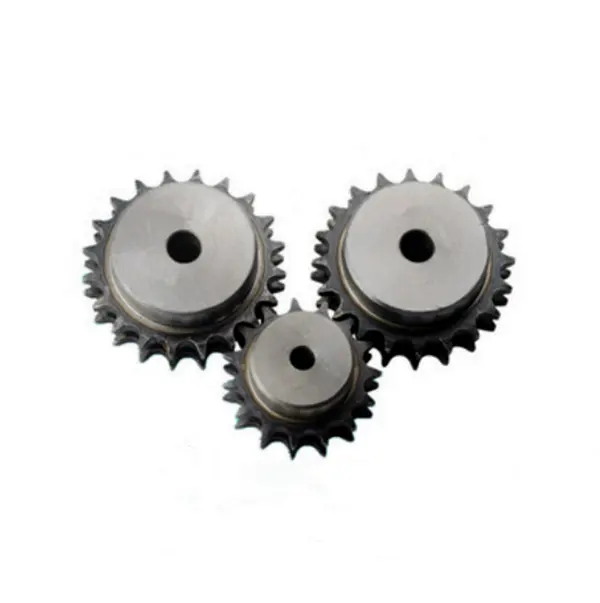
Ensuring Proper Alignment between a Wheel and its Corresponding Sprocket
Proper alignment between a wheel and its corresponding sprocket is crucial for the smooth and efficient operation of the wheel sprocket system. Misalignment can lead to increased wear, noise, and reduced performance. Here are some steps to ensure proper alignment:
- Use Precision Components: Ensure that both the wheel sprocket are high-quality, precision-manufactured components that meet the required specifications. Using well-machined components will aid in achieving better alignment.
- Check Axle Alignment: Make sure the axle or shaft on which the wheel sprocket are mounted is straight and properly aligned. Any misalignment in the axle can lead to misalignment of the wheel sprocket.
- Proper Mounting: Ensure that the wheel sprocket are securely and correctly mounted on the axle or shaft. Use appropriate fasteners and tightening techniques to prevent any movement or shifting during operation.
- Check for Parallelism: The axes of the wheel sprocket should be parallel to each other. Measure the distance between the axes at multiple points to verify parallel alignment.
- Use Alignment Tools: Alignment tools, such as laser alignment systems, can be employed to accurately align the wheel sprocket. These tools can help identify and correct misalignments effectively.
- Check Tension and Tensioner Alignment: If a tensioner is used in the system, ensure that it is properly aligned and applying the right tension to the chain or belt. Incorrect tension can cause misalignment.
- Regular Maintenance: Implement a regular maintenance schedule to check and adjust alignment as needed. Regular inspections can help identify and address alignment issues before they cause significant problems.
- Monitor Performance: Keep an eye on the performance of the wheel sprocket system. Unusual noises, vibrations, or signs of wear can indicate misalignment and should be investigated promptly.
Proper alignment is essential for the long-term performance and reliability of the wheel sprocket system. By following these steps and conducting regular maintenance, you can ensure that the wheel sprocket work together harmoniously, providing efficient power transmission and minimizing wear and tear.
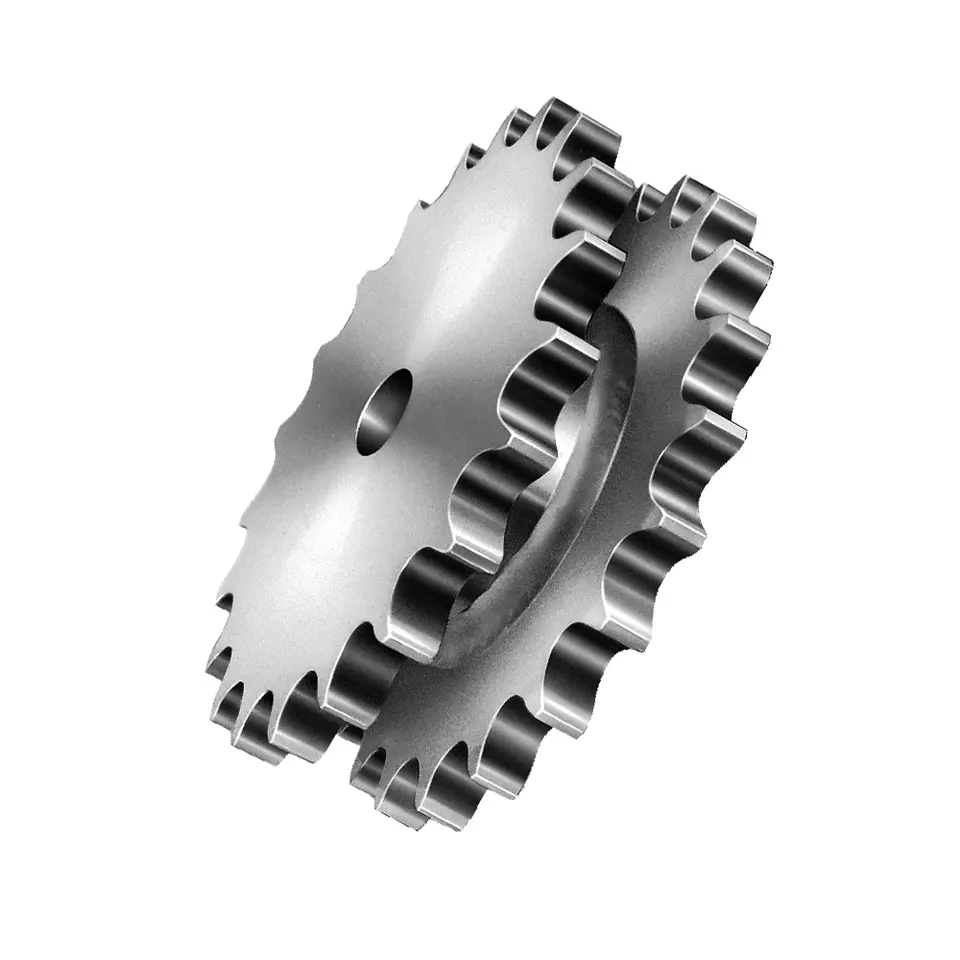
Temperature Limits for wheel sprocket System’s Operation
The temperature limits for a wheel sprocket system’s operation depend on the materials used in the construction of the components. Different materials have varying temperature tolerances, and exceeding these limits can lead to reduced performance, premature wear, and even system failure.
Here are some common materials used in wheel sprocket systems and their general temperature limits:
- Steel: Steel sprockets and wheels, which are widely used in many applications, typically have a temperature limit ranging from -40°C to 500°C (-40°F to 932°F). However, the specific temperature range may vary based on the grade of steel and any coatings or treatments applied.
- Stainless Steel: Stainless steel sprockets and wheels offer improved corrosion resistance and can withstand higher temperatures than regular steel. Their temperature limit is typically between -100°C to 600°C (-148°F to 1112°F).
- Plastics: Plastic sprockets and wheels are commonly used in low-load and low-speed applications. The temperature limit for plastic components varies widely depending on the type of plastic used. In general, it can range from -40°C to 150°C (-40°F to 302°F).
- Aluminum: Aluminum sprockets and wheels have a temperature limit of approximately -40°C to 250°C (-40°F to 482°F). They are often used in applications where weight reduction is critical.
It’s essential to consult the manufacturer’s specifications and material data sheets for the specific components used in the wheel sprocket system to determine their temperature limits accurately. Factors such as load, speed, and environmental conditions can also influence the actual temperature tolerance of the system.
When operating a wheel sprocket system near its temperature limits, regular monitoring and maintenance are necessary to ensure the components’ integrity and overall system performance. If the application involves extreme temperatures beyond the typical limits of the materials, specialized high-temperature materials or cooling measures may be required to maintain reliable operation.
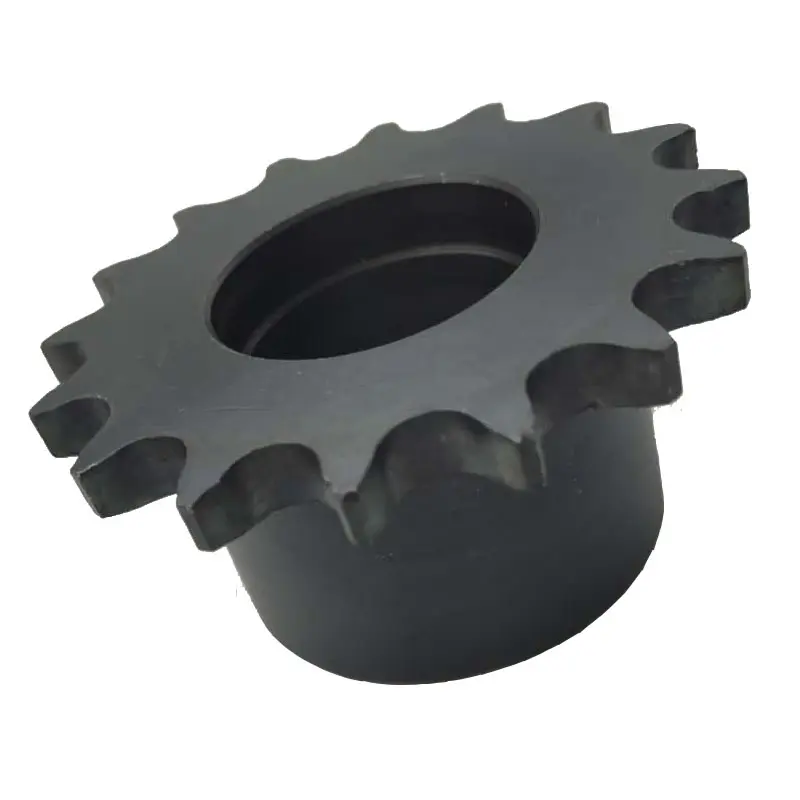
Role of a wheel sprocket in a Mechanical System
In a mechanical system, a wheel sprocket play a crucial role in transferring motion and power from one component to another. They are essential elements of various machines and mechanisms, such as bicycles, conveyor systems, automobiles, and industrial machinery. Let’s explore their functions in more detail:
1. Wheel:
The wheel is a circular component with a central shaft (axle) that allows it to rotate freely around the axle’s axis. Its primary functions include:
- Motion Transmission: When a force is applied to the wheel’s outer edge, it rotates around the axle, enabling the transfer of linear motion into rotational motion.
- Load Bearing: The wheel’s structure and material are designed to support and distribute the load placed on it, allowing smooth movement over various surfaces.
- Reduction of Friction: By using wheels, the friction between the moving object and the ground is significantly reduced, making it easier to move heavy loads with less effort.
- Directional Control: Wheels can be attached to steering mechanisms to control the direction of movement in vehicles and other equipment.
2. Sprocket:
A sprocket is a toothed wheel designed to mesh with a chain or a belt, facilitating motion transfer between the sprocket and the chain/belt. Its key functions include:
- Power Transmission: When rotational force (torque) is applied to the sprocket, the teeth engage with the links of the chain or belt, transferring motion and power from one sprocket to another.
- Speed and Torque Conversion: Different-sized sprockets can be used to adjust the speed and torque of the driven component in a mechanical system.
- Positive Drive: The teeth on the sprocket and the links on the chain/belt create a positive drive system, reducing the likelihood of slippage or loss of power during operation.
- Chain/Belt Tensioning: Sprockets help maintain proper tension in the chain or belt, ensuring optimal performance and longevity of the power transmission system.
Together, wheels and sprockets form a vital part of mechanical systems, enabling efficient motion transmission, power transfer, and control in a wide range of applications across various industries.


editor by CX 2024-03-28