Descripción del Producto
Stainless Steel Roller Chain Sprocket (All Types)
DETAILS ABOUT CZPT CHAIN
Descripción del Producto
| Product Name | Chain Sprockets |
| Process | Forging, hobbing, precision machining, etc. |
| Certificaciones | ISO 9001: 2008, GB/T19001-2000IDT, Test Report |
| Estándar | GB1244-85, DIN8187,8188, OEM, ANSI or DIN |
| Tratamiento de superficies | Blacken or Galvanized as You Required |
| Material | Stainless steel, carbon steel, aluminum, copper, brass |
| Tratamiento térmico | 45 – 55 HRC |
| Embalaje | Plastic bag+paper case+wooden pallet |
| Applications | Building Material Shops, Machinery, Industrial, etc. |
More Products
Advantage
DETAILS ABOUT CZPT CHAIN
Exhibition
Certificaciones
Workshop
Application
Packaging Details & Shipping
FAQ
1. Are you a manufacturer or trade Company?
We are a factory founded in 1997 with a trade team for international service.
2. What terms of payment do you usually use?
T/T 30% deposit and 70% against document, Western Union, L/C at sight
3. What is your lead time for your goods?
Normally 35 days after confirmed order. 30 days could be available in the low season for some items (during May to July), and 45 days during the new year and hot season ( Jan to March).
4. Samples
For customers who need sample confirmation before ordering, please bear in mind that the following policy will be adopted:
1) All samples are free of charge with a maximum value not exceeding USD 100.
2) The courier cost for the first-time sample sending will be charged by the consignee. We will send the samples with freight to be collected. So please inform your account with FedEx, UPS, DHL, or TNT so that we can proceed promptly.
3) The first-time courier cost will be totally deducted from the contract value of the trial cooperation.
/* 22 de enero de 2571 19:08:37 */!function(){function s(e,r){var a,o={};try{e&&e.split(“”,).forEach(function(e,t){e&&(a=e.match(/(.*?):(.*)$/))&&1
| Estándar o no estándar: | Estándar |
|---|---|
| Solicitud: | Motor, Electric Cars, Motorcycle, Machinery, Marine, Agricultural Machinery |
| Dureza: | Superficie del diente endurecida |
| Personalización: |
Disponible
| Solicitud personalizada |
|---|
.shipping-cost-tm .tm-status-off{background: none;padding:0;color: #1470cc}
| Costo de envío:
Coste estimado por unidad. |
about shipping cost and estimated delivery time. |
|---|
| Payment Method: |
|
|---|---|
|
Initial Payment Full Payment |
| Currency: | US$ |
|---|
| Return&refunds: | You can apply for a refund up to 30 days after receipt of the products. |
|---|
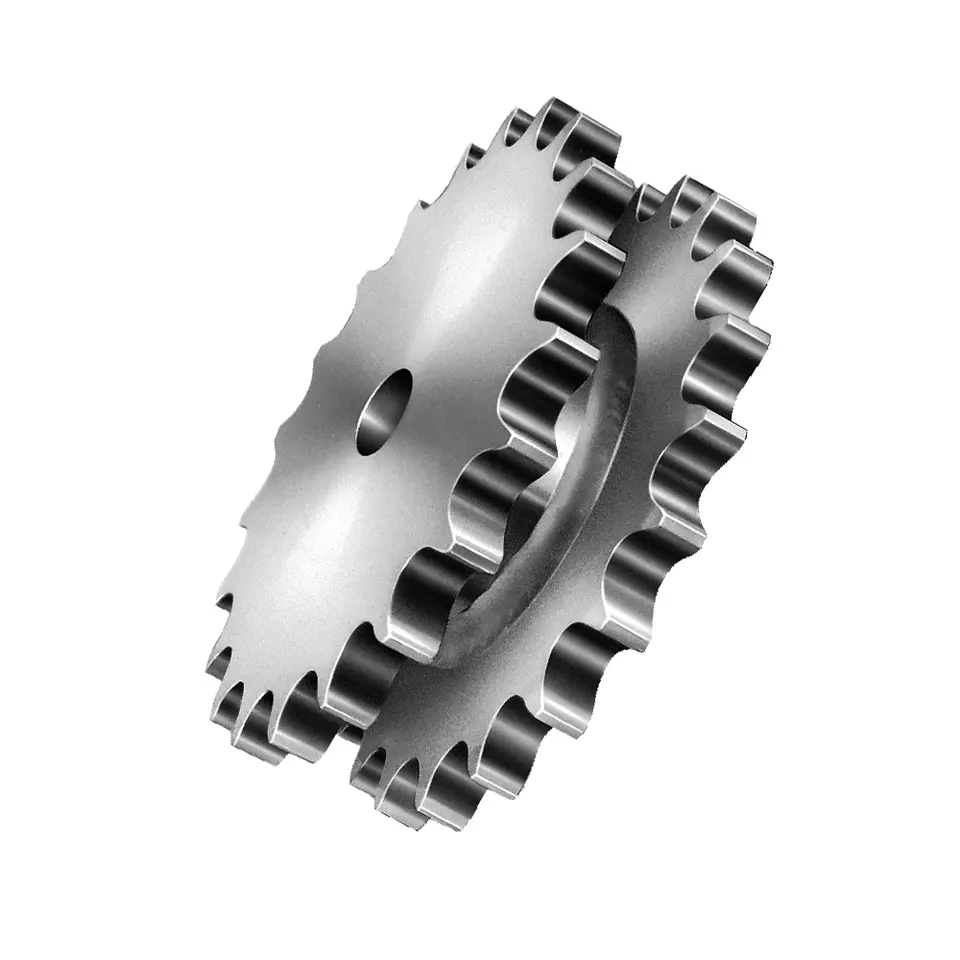
How to Identify and Troubleshoot Common Issues with Wheels and Sprockets
Identifying and troubleshooting common issues with wheels and sprockets can help you maintain their proper functioning and prevent potential problems. Here are some steps to follow:
- Abnormal Noise: If you notice unusual noise during operation, it could indicate misalignment, worn sprockets, or a loose chain. Check for any loose bolts or fasteners and ensure proper alignment of the sprockets.
- Chain Slippage: Chain slippage can occur due to insufficient tension or worn-out sprocket teeth. Check the chain tension and adjust it to the recommended level. Inspect the sprocket teeth for signs of wear and replace them if necessary.
- Uneven Wear: Uneven wear on the sprocket teeth can be a result of misalignment or a worn-out chain. Check the alignment of the sprockets and adjust as needed. If the chain is stretched or has damaged links, replace it with a new one.
- Excessive Vibration: Excessive vibration may be caused by imbalanced wheels or misaligned sprockets. Check for any bent or damaged wheels and ensure proper alignment of the sprockets.
- Chain Skipping: If the chain skips over the sprocket teeth during operation, it could be due to worn sprocket teeth or a loose chain. Inspect the sprocket teeth for signs of wear and replace them if necessary. Adjust the chain tension to the proper level.
- Chain Jamming: Chain jamming can occur if there is debris or dirt between the chain and sprockets. Clean the chain and sprockets thoroughly to remove any obstructions.
- Excessive Chain Wear: Regularly inspect the chain for signs of wear, such as elongation, damaged links, or rust. Replace the chain if it is significantly worn to avoid damage to the sprockets.
- Overheating: Overheating can be caused by high friction between the chain and sprockets or improper lubrication. Ensure proper lubrication and check for any misalignment or tight spots in the system.
By identifying these common issues and performing regular inspections, you can troubleshoot problems early on and take appropriate corrective measures, ensuring the smooth operation and longevity of the wheel sprocket assembly.
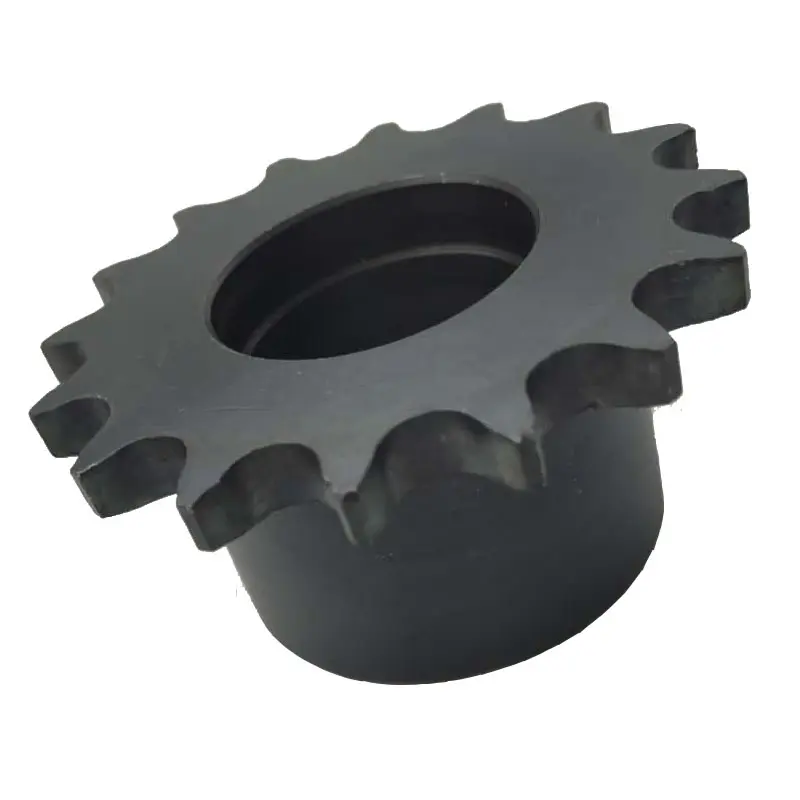
Using wheel sprocket Assembly in Robotics and Automation
Yes, wheel sprocket assemblies are commonly used in robotics and automation systems to transmit power and facilitate movement. These systems offer several advantages for robotic applications:
- Efficiency: wheel sprocket assemblies provide efficient power transmission, ensuring smooth and precise movement of robotic components.
- Compact Design: The compact nature of sprockets and wheels allows for space-saving designs, making them ideal for robotic applications where space is limited.
- Precision: Sprockets and wheels with accurate teeth profiles provide precise motion control, crucial for robotics and automation tasks that require high levels of accuracy.
- Low Noise: Properly lubricated and maintained wheel sprocket systems generate minimal noise during operation, contributing to quieter robotic movements.
- Customizability: wheel sprocket assemblies can be customized to suit specific robotic requirements, such as different gear ratios, sizes, and materials.
- Multiple Configurations: Depending on the robotic application, different configurations like single or multiple sprockets, idler sprockets, or rack and pinion systems can be used.
- High Load Capacity: Sprockets made from durable materials like steel can handle substantial loads, making them suitable for heavy-duty robotic tasks.
Examples of robotics and automation systems that commonly use wheel sprocket assemblies include:
- Robotic Arms: wheel sprocket systems are utilized in robotic arms to control their movement and reach.
- Automated Guided Vehicles (AGVs): AGVs use wheel sprocket assemblies for propulsion and steering, enabling them to navigate autonomously.
- Conveyor Systems: In automated factories, conveyor belts are often driven by sprockets and wheels for efficient material handling.
- Mobile Robots: Wheeled mobile robots use wheel sprocket assemblies to drive their wheels, enabling them to move in various directions.
- Robot Grippers: wheel sprocket mechanisms can be integrated into robot grippers to facilitate gripping and handling objects.
The choice to use wheel sprocket assemblies in robotics and automation depends on the specific application requirements, load capacity, precision, and environmental conditions. By selecting the appropriate sprockets, wheels, and materials, engineers can ensure reliable and efficient robotic performance in a wide range of automated tasks.
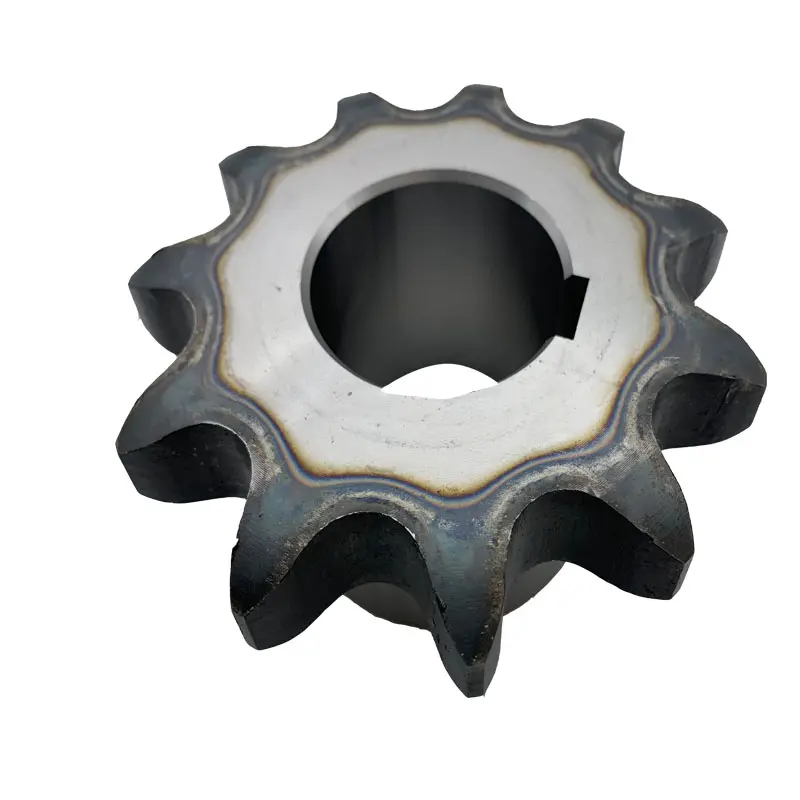
¿Cómo transmite potencia un conjunto de piñón de rueda?
En un sistema mecánico, un conjunto de rueda y piñón es un método común de transmisión de potencia, especialmente cuando se trata de movimiento rotatorio. El proceso de transmisión de potencia a través de un conjunto de rueda y piñón comprende los siguientes pasos:
1. Fuente de entrada:
El proceso de transmisión de potencia comienza con una fuente de entrada, como un motor eléctrico, un motor de combustión o la fuerza humana. Esta fuente de entrada proporciona la fuerza de rotación (par motor) necesaria para impulsar el sistema.
2. Rotación de la rueda:
Cuando la fuente de entrada aplica una fuerza de rotación a la rueda, esta comienza a girar alrededor de su eje central. El diseño y las propiedades del material de la rueda son esenciales para soportar la carga aplicada y facilitar una rotación suave.
3. Acoplamiento de la rueda dentada:
Conectada a la rueda se encuentra una rueda dentada, que está diseñada para engranar con una cadena. Cuando la rueda gira, los dientes de la rueda dentada se acoplan con los eslabones de la cadena, creando un sistema de transmisión positiva.
4. Rotación de la cadena:
Cuando la rueda dentada engrana con la cadena, la fuerza de rotación se transfiere a esta última. Los eslabones de la cadena transmiten este movimiento de rotación a lo largo de su longitud.
5. Componente impulsado:
El otro extremo de la cadena está conectado a una rueda dentada motriz, la cual está unida al componente que necesita ser accionado. Este componente motriz podría ser otra rueda, una cinta transportadora o cualquier otra pieza de una máquina que requiera movimiento.
6. Transmisión de potencia:
Al girar la cadena debido al acoplamiento con la rueda dentada, esta última también comienza a girar, transfiriendo la fuerza de rotación al componente accionado. El componente accionado recibe ahora la potencia y el movimiento de la fuente de entrada a través del conjunto formado por la rueda, la rueda dentada y la cadena.
7. Salida y funcionamiento:
El componente accionado realiza su función prevista en función de la potencia y el movimiento recibidos. Por ejemplo, en una bicicleta, el conjunto de cadena y piñón transmite la potencia del pedaleo del ciclista a la rueda trasera, impulsando la bicicleta hacia adelante.
En general, un conjunto de piñón y rueda es un método eficiente y fiable de transmisión de potencia, comúnmente utilizado en diversas aplicaciones, como bicicletas, motocicletas, maquinaria industrial y sistemas de transporte.


editor by Dream 2024-05-06