Descripción del Producto
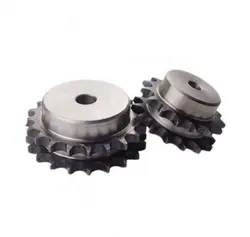
Double pitch roller chain sprockets from China manufacturer SCS
With more than 20 years’ experience, high-precision equipment and strict management system, CZPT can provide sprockets, gears, shafts, flanges and related transmission parts for you with stable quality and best service.
Q1: What information will be highly appreciated for a quotation?
A: It will be preferred if you can offer us the drawings, heat treatment and surface treatment requirements, required quantity, quoted currency (USD or EUR), or samples.
Q2: Are you a trading company or factory?
A: CZPT is a factory located in HangZhou, ZheJiang .
Q3: What is your terms of payment?
A: T/T 50% in advance, and 50% before shipment. We’ll show you the photos of the products and packages before you pay the balance.
Q4: Do you test all your goods before delivery?
A: Yes, CZPT has adopted a strict quality management system and all the items will be inspected according to the inspection instruction with good inspection records.
Q5: Is there any customer that has assessed your quality management system?
A:Yes, CZPT has passed the audit of many customers, such as Mitsubishi, CLAAS, Kardex and so on.
Q6: How does your company ensure the quality of the raw material?
A: The steels are purchased from our domestic CZPT steel mills. After receiving the raw material, the steel will be inspected by spectrograph imported from Germany. Besides, the CZPT number of steel will be well-managed in our ERP system to ensure the traceablity of our products.
Q7: How do you ensure the high quality of products?
A: With integral manufacturing processes, a strict quality control system and imported machines, we can manufacture high quality products.
Q8: What are your terms of delivery?
A: EXW, FOB ZheJiang .
Q9: How about your lead time?
A: Normally it will take 45 days after receiving your advance payment. The specific lead time depends on the items and the quantity of your order.
/* 22 de enero de 2571 19:08:37 */!function(){function s(e,r){var a,o={};try{e&&e.split(“”,).forEach(function(e,t){e&&(a=e.match(/(.*?):(.*)$/))&&1
| Estándar o no estándar: | Estándar |
|---|---|
| Solicitud: | Motor, Motorcycle, Machinery, Toy, Agricultural Machinery, Car |
| Dureza: | Superficie del diente endurecida |
| Método de fabricación: | Forging Parts |
| Forma de la porción dentada: | Estándar |
| Material: | Steel, Carbon Steel |
| Muestras: |
US$ 9.99/Piece
1 unidad (pedido mínimo) | |
|---|
| Personalización: |
Disponible
| Solicitud personalizada |
|---|

Factors Affecting the Efficiency of a wheel sprocket Setup
Several factors can influence the efficiency of a wheel sprocket system in power transmission and motion control applications. These factors should be carefully considered and optimized to ensure the system’s overall effectiveness and performance:
- 1. Friction: Friction between the wheel, sprocket, and the chain or belt can lead to energy losses. Using high-quality materials and lubrication can help reduce friction and improve efficiency.
- 2. Alignment: Proper alignment between the wheel and the sprocket is critical. Misalignment can cause increased wear, noise, and reduced efficiency. Regular maintenance and alignment checks are essential.
- 3. Tension: The correct tension in the chain or belt is crucial for efficient power transmission. Too loose or too tight tension can lead to performance issues and premature wear.
- 4. Material and Design: The choice of materials for the wheel sprocket, as well as their design, can impact efficiency. High-quality materials and well-engineered components reduce wear and improve overall system performance.
- 5. Load Distribution: Uneven load distribution across the wheel sprocket can lead to localized wear and decreased efficiency. Ensuring proper load distribution helps maintain uniform wear and power transmission.
- 6. Environmental Factors: Harsh environmental conditions, such as dust, moisture, and extreme temperatures, can affect the efficiency of the system. Choosing suitable materials and implementing protective measures can mitigate these effects.
- 7. Maintenance: Regular maintenance, including lubrication, inspection, and timely replacement of worn components, is vital for the long-term efficiency of the system.
- 8. Speed and Torque: The operating speed and torque requirements of the application should be considered when selecting the appropriate wheel sprocket size and specifications.
- 9. Chain or Belt Type: Different types of chains or belts, such as roller chains, silent chains, or toothed belts, have varying efficiencies. Choosing the right type for the specific application is crucial.
- 10. System Integration: The wheel sprocket system should be integrated correctly with other components in the machinery to ensure smooth operation and minimal energy losses.
By carefully considering and optimizing these factors, it is possible to improve the efficiency of the wheel sprocket system, leading to reduced energy consumption, less wear and tear, and overall better performance.
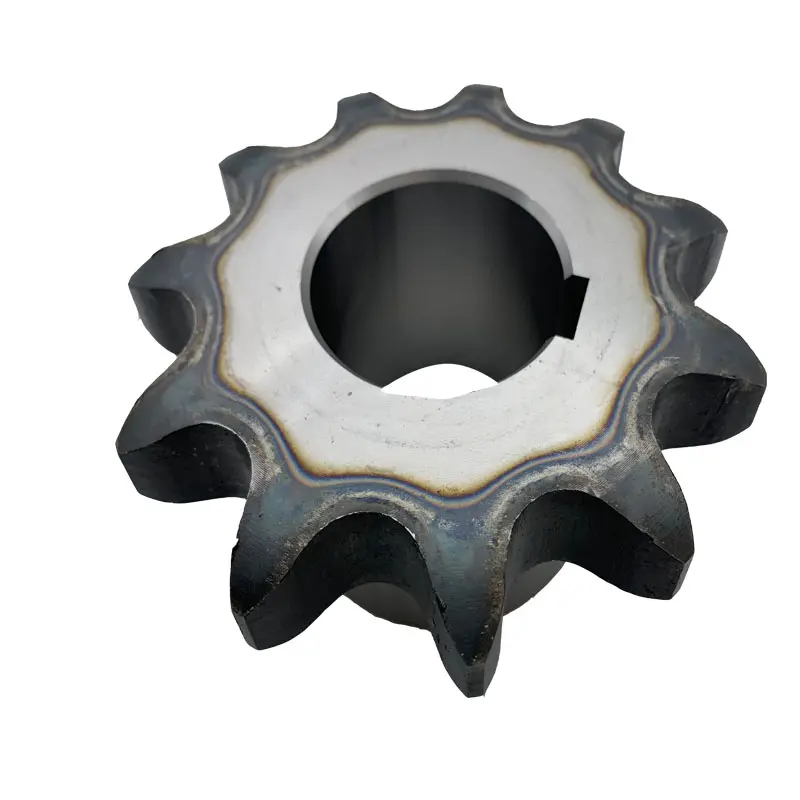
Inspecting a wheel sprocket for Wear and Tear
Regular inspection of the wheel sprocket is essential to ensure their proper functioning and to identify any signs of wear and tear. Here are the steps to inspect a wheel sprocket:
- Visual Inspection: Start by visually examining the wheel sprocket for any visible signs of wear, damage, or deformation. Look for cracks, chips, dents, or any irregularities on the surface of both components.
- Check for Misalignment: Verify that the wheel sprocket are properly aligned with each other. Misalignment can lead to accelerated wear and affect the overall performance of the system.
- Measure Wear: Use calipers or a wear gauge to measure the sprocket’s tooth profile and the wheel’s rolling surface. Compare these measurements with the original specifications to determine if significant wear has occurred.
- Inspect Teeth and Chain Engagement: If the wheel sprocket are part of a chain drive system, closely examine the sprocket teeth and chain engagement. Worn or elongated teeth can cause poor chain engagement and lead to premature failure.
- Lubricación: Check the lubrication of the wheel sprocket. Insufficient or excessive lubrication can cause increased friction, leading to wear and reduced efficiency.
- Bearing Condition: If the wheel is mounted on a shaft with bearings, inspect the bearings for any signs of wear, noise, or rough movement. Properly functioning bearings are crucial for the smooth operation of the system.
- Inspect Mounting Hardware: Ensure that all nuts, bolts, and other mounting hardware are securely tightened. Loose fasteners can cause vibration and misalignment issues.
- Check for Contaminants: Remove any debris, dirt, or foreign particles that may have accumulated on the wheel or sprocket. Contaminants can accelerate wear and damage the components.
- Replacement or Maintenance: Based on the inspection results, determine if any parts need replacement or if maintenance is required. Address any issues promptly to prevent further damage and maintain the system’s performance.
Regularly scheduled inspections and maintenance can help prolong the lifespan of the wheel sprocket assembly, optimize performance, and ensure the safety of the mechanical system.
¿Cómo transmite potencia un conjunto de piñón de rueda?
En un sistema mecánico, un conjunto de rueda y piñón es un método común de transmisión de potencia, especialmente cuando se trata de movimiento rotatorio. El proceso de transmisión de potencia a través de un conjunto de rueda y piñón comprende los siguientes pasos:
1. Fuente de entrada:
El proceso de transmisión de potencia comienza con una fuente de entrada, como un motor eléctrico, un motor de combustión o la fuerza humana. Esta fuente de entrada proporciona la fuerza de rotación (par motor) necesaria para impulsar el sistema.
2. Rotación de la rueda:
Cuando la fuente de entrada aplica una fuerza de rotación a la rueda, esta comienza a girar alrededor de su eje central. El diseño y las propiedades del material de la rueda son esenciales para soportar la carga aplicada y facilitar una rotación suave.
3. Acoplamiento de la rueda dentada:
Conectada a la rueda se encuentra una rueda dentada, que está diseñada para engranar con una cadena. Cuando la rueda gira, los dientes de la rueda dentada se acoplan con los eslabones de la cadena, creando un sistema de transmisión positiva.
4. Rotación de la cadena:
Cuando la rueda dentada engrana con la cadena, la fuerza de rotación se transfiere a esta última. Los eslabones de la cadena transmiten este movimiento de rotación a lo largo de su longitud.
5. Componente impulsado:
El otro extremo de la cadena está conectado a una rueda dentada motriz, la cual está unida al componente que necesita ser accionado. Este componente motriz podría ser otra rueda, una cinta transportadora o cualquier otra pieza de una máquina que requiera movimiento.
6. Transmisión de potencia:
Al girar la cadena debido al acoplamiento con la rueda dentada, esta última también comienza a girar, transfiriendo la fuerza de rotación al componente accionado. El componente accionado recibe ahora la potencia y el movimiento de la fuente de entrada a través del conjunto formado por la rueda, la rueda dentada y la cadena.
7. Salida y funcionamiento:
El componente accionado realiza su función prevista en función de la potencia y el movimiento recibidos. Por ejemplo, en una bicicleta, el conjunto de cadena y piñón transmite la potencia del pedaleo del ciclista a la rueda trasera, impulsando la bicicleta hacia adelante.
En general, un conjunto de piñón y rueda es un método eficiente y fiable de transmisión de potencia, comúnmente utilizado en diversas aplicaciones, como bicicletas, motocicletas, maquinaria industrial y sistemas de transporte.


editor by Dream 2024-04-26