وصف المنتج
America, Kana, Europe, ANSI Standard or Made to Order Sprockets for Roller Chain and Conveyor Chain
وصف المنتج
1. Produce strictly in accordance with standard dimension
2. Material: 1045 Steel / Alloy Steel / Stainless Steel 304 & 316
3. Standard: ANSI, DIN, JINS, ISO, KANA,Standard America or customer’s drawing
4. Pilot bore, finished bore, taper bore and special bore.
5. Bright surface / high precision / Blacking /Electrophoretic-Coated
6. Advanced heat treatment and surface treatment craft
7. Best quality and competitive price.
8. Welcome OEM / ODM
9. Processing Equipment: Hobbing machine, Slotting machine, CNC lathes and other equipment.
10. Sprocket Models: Contains special sprocket according to customer’s drawings, standard sprocket (American standard and metric).
صور تفصيلية
View more products,please click here…
نبذة عن الشركة
| قياسي أم غير قياسي: | معيار |
|---|---|
| طلب: | Machinery, Agricultural Machinery, Industry |
| صلابة: | صلابة |
| 60: | 3/4" |
| 80: | 1" |
| 50: | 5/8" |
| أمثلة: |
US$ 0/Piece
قطعة واحدة (الحد الأدنى للطلب) | |
|---|
| التخصيص: |
متاح
| طلب مخصص |
|---|
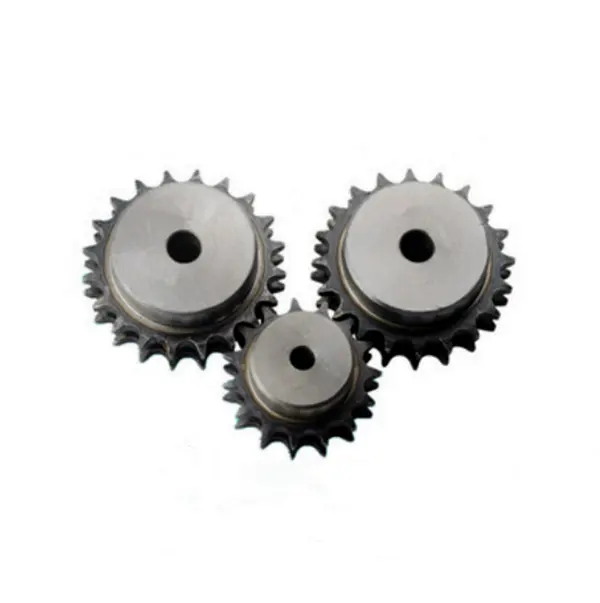
ضمان المحاذاة الصحيحة بين العجلة والترس المقابل لها
يُعدّ التوافق الصحيح بين العجلة والترس المقابل لها أمرًا بالغ الأهمية لضمان سلاسة وكفاءة عمل نظام العجلة والترس. قد يؤدي عدم التوافق إلى زيادة التآكل والضوضاء وانخفاض الأداء. إليك بعض الخطوات لضمان التوافق الصحيح:
- استخدم مكونات دقيقة: تأكد من أن كلا ترس العجلة مصنوعان من مكونات عالية الجودة ودقيقة التصنيع، وتفيان بالمواصفات المطلوبة. استخدام مكونات مصنعة بدقة عالية سيساعد في تحقيق محاذاة أفضل.
- فحص محاذاة المحور: تأكد من أن المحور أو العمود الذي تُركّب عليه تروس العجلة مستقيم ومُحاذٍ بشكل صحيح. أي خلل في محاذاة المحور قد يؤدي إلى خلل في محاذاة تروس العجلة.
- التركيب الصحيح: تأكد من تثبيت ترس العجلة بإحكام وبشكل صحيح على المحور أو العمود. استخدم أدوات التثبيت المناسبة وتقنيات الربط الصحيحة لمنع أي حركة أو انزلاق أثناء التشغيل.
- تحقق من التوازي: يجب أن تكون محاور ترس العجلة متوازية. قِس المسافة بين المحاور عند نقاط متعددة للتأكد من التوازي.
- استخدم أدوات المحاذاة: يمكن استخدام أدوات المحاذاة، مثل أنظمة المحاذاة بالليزر، لمحاذاة ترس العجلة بدقة. وتساعد هذه الأدوات في تحديد وتصحيح حالات عدم المحاذاة بفعالية.
- فحص الشد ومحاذاة جهاز الشد: إذا تم استخدام جهاز شد في النظام، فتأكد من محاذاته بشكل صحيح وتطبيقه الشد المناسب على السلسلة أو الحزام. قد يؤدي الشد غير الصحيح إلى عدم المحاذاة.
- الصيانة الدورية: قم بتطبيق جدول صيانة دوري لفحص وضبط المحاذاة حسب الحاجة. تساعد عمليات الفحص الدورية في تحديد ومعالجة مشاكل المحاذاة قبل أن تتسبب في مشاكل كبيرة.
- مراقبة الأداء: راقب أداء نظام تروس العجلات. قد تشير الأصوات غير المعتادة أو الاهتزازات أو علامات التآكل إلى وجود خلل في المحاذاة، ويجب فحصها على الفور.
يُعدّ الضبط الصحيح أساسيًا لأداء نظام تروس العجلات وموثوقيته على المدى الطويل. باتباع هذه الخطوات وإجراء الصيانة الدورية، يمكنك ضمان عمل تروس العجلات بتناغم، مما يوفر نقلًا فعالًا للطاقة ويقلل من التآكل.
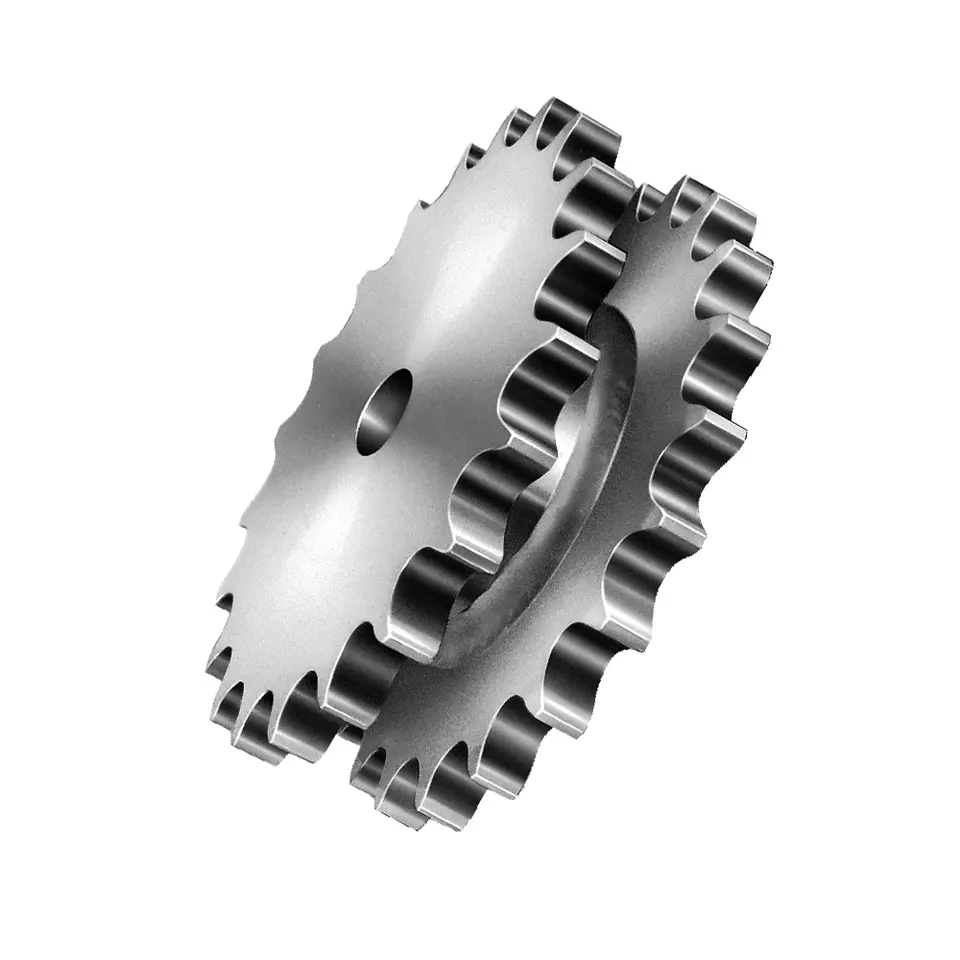
حدود درجة الحرارة لتشغيل نظام تروس العجلات
تعتمد حدود درجة الحرارة اللازمة لتشغيل نظام تروس العجلات على المواد المستخدمة في تصنيع مكوناته. وتختلف المواد المختلفة في مدى تحملها لدرجات الحرارة، وقد يؤدي تجاوز هذه الحدود إلى انخفاض الأداء، والتآكل المبكر، وحتى تعطل النظام.
فيما يلي بعض المواد الشائعة المستخدمة في أنظمة تروس العجلات وحدود درجة حرارتها العامة:
- فُولاَذ: تُستخدم عجلات التروس الفولاذية على نطاق واسع في العديد من التطبيقات، وتتراوح درجة حرارتها القصوى عادةً بين -40 درجة مئوية و500 درجة مئوية (-40 درجة فهرنهايت إلى 932 درجة فهرنهايت). ومع ذلك، قد يختلف نطاق درجة الحرارة المحدد بناءً على نوع الفولاذ وأي طلاءات أو معالجات مُطبقة.
- الفولاذ المقاوم للصدأ: تتميز عجلات ومسننات الفولاذ المقاوم للصدأ بمقاومة محسّنة للتآكل، كما أنها تتحمل درجات حرارة أعلى من الفولاذ العادي. ويتراوح حد درجة حرارتها عادةً بين -100 درجة مئوية و600 درجة مئوية (-148 درجة فهرنهايت إلى 1112 درجة فهرنهايت).
- البلاستيك: تُستخدم العجلات المسننة والبلاستيكية بشكل شائع في التطبيقات ذات الأحمال والسرعات المنخفضة. ويختلف الحد الأقصى لدرجة حرارة المكونات البلاستيكية اختلافًا كبيرًا تبعًا لنوع البلاستيك المستخدم. وبشكل عام، يتراوح هذا الحد بين -40 درجة مئوية و150 درجة مئوية (-40 درجة فهرنهايت إلى 302 درجة فهرنهايت).
- الألومنيوم: تتحمل عجلات ومسننات الألومنيوم درجات حرارة تتراوح بين -40 درجة مئوية و250 درجة مئوية (-40 درجة فهرنهايت إلى 482 درجة فهرنهايت). وتُستخدم عادةً في التطبيقات التي يكون فيها تقليل الوزن أمراً بالغ الأهمية.
من الضروري الرجوع إلى مواصفات الشركة المصنعة وبيانات المواد الخاصة بالمكونات المستخدمة في نظام تروس العجلة لتحديد حدود درجة حرارتها بدقة. كما أن عوامل مثل الحمل والسرعة والظروف البيئية قد تؤثر على مدى تحمل النظام لدرجة الحرارة.
عند تشغيل نظام تروس العجلات بالقرب من حدود درجة حرارته القصوى، يلزم إجراء مراقبة وصيانة دورية لضمان سلامة المكونات وأداء النظام ككل. إذا كان التطبيق يتضمن درجات حرارة قصوى تتجاوز الحدود النموذجية للمواد، فقد يلزم استخدام مواد متخصصة تتحمل درجات الحرارة العالية أو اتخاذ تدابير تبريد للحفاظ على التشغيل الموثوق.
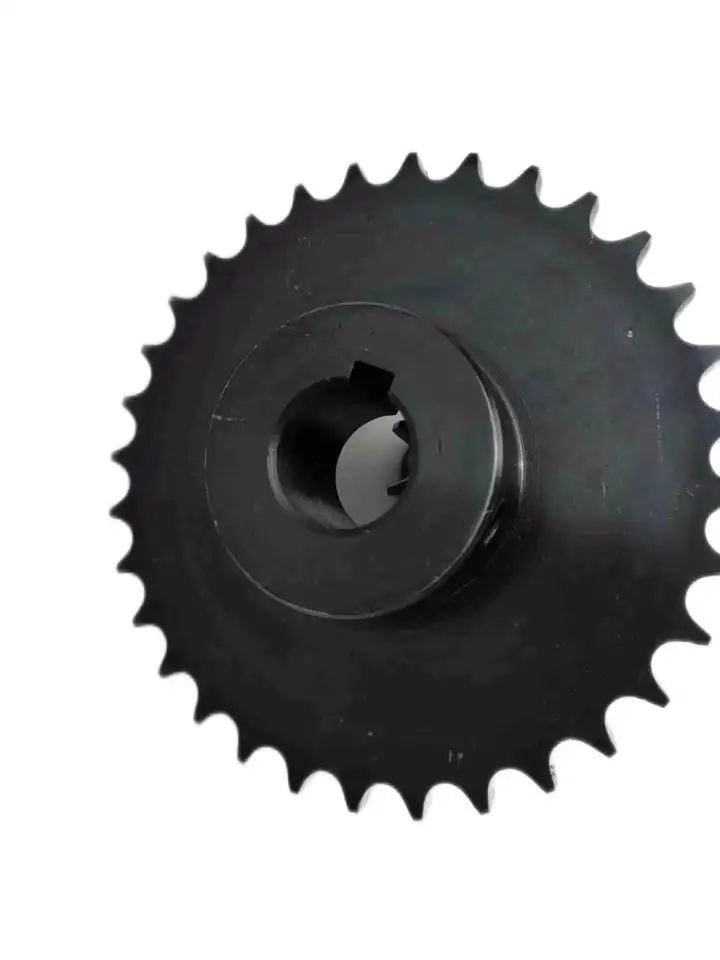
Advantages of Using a wheel sprocket Configuration
Using a wheel sprocket configuration for power transmission offers several advantages over other methods. Here are some key benefits:
1. Efficient Power Transmission:
The wheel sprocket assembly provide a highly efficient method of transmitting power between shafts with minimal energy loss. The teeth of the sprocket mesh with the links of the chain or the teeth of another sprocket, ensuring a positive engagement that reduces slippage and maximizes power transfer.
2. Versatility:
Wheels and sprockets are available in various sizes, configurations, and materials, making them highly versatile components for different applications. They can accommodate a wide range of speed and torque requirements, making them suitable for various mechanical systems.
3. Compact Design:
The compact design of wheel sprocket assemblies allows for space-saving installations in machinery. The concentric arrangement of the components minimizes the overall footprint, making it ideal for applications with limited space.
4. Precise Speed Control:
By selecting sprockets with different numbers of teeth, the gear ratio can be easily adjusted to achieve precise speed control in the driven shaft. This level of control is essential for many applications, such as conveyor systems, where different speeds are required for different processes.
5. High Torque Capacity:
wheel sprocket systems can handle high torque loads, making them suitable for heavy-duty applications. This high torque capacity is especially beneficial in industrial settings where large loads need to be moved or lifted.
6. Smooth and Quiet Operation:
When properly lubricated and maintained, the interaction between the sprocket and the chain or other sprockets results in smooth and quiet operation. This makes wheel sprocket systems preferable in applications where noise reduction is important.
7. Easy Installation and Maintenance:
Installing a wheel sprocket assembly is relatively straightforward, and they require minimal maintenance when used correctly. Periodic lubrication and tension adjustments are typically all that is needed to keep the system running smoothly.
8. Suitable for High-Speed Applications:
wheel sprocket configurations are well-suited for high-speed applications where belts or gears may not be as practical due to limitations in speed capabilities.
In summary, the wheel sprocket configuration offers efficient power transmission, versatility, compactness, precise speed control, high torque capacity, smooth operation, and ease of installation and maintenance. These advantages make it a popular choice in a wide range of mechanical systems and industrial applications.


editor by CX 2023-10-11