وصف المنتج
ISO Standard Made to Order & Tooth Surface Hardening Sprockets for Roller Chain
وصف المنتج
1. Produce strictly in accordance with ANSI or DIN standard dimension
2. Material: C45 steel / Stainless Steel 304 & 316
3. Standard: ANSI, DIN, JINS, ISO, Standard America or customer drawing
4. Pilot bore, finished bore, taper bore and special bore
5. Bright surface and high precision
6. Advanced heat treatment and surface treatment craft
7. Best quality and competitive price.
8. Welcome OEM / ODM
| Product name | ISO Standard Sprocket for Roller Chain |
| Materials Available | 1. Stainless Steel: SS304, SS316, etc |
| 2. Alloy Steel: C45, 45Mn, 42CrMo, 20CrMo, etc | |
| 3. OEM according to your request | |
| معالجة السطح | Heat treatment, Quenching treatment, High frequency normalizing treatment, Polishing, Electrophoresis paint processing, Anodic oxidation treatment, etc |
| Characteristic | Fire resistant, Oil resistant, Heat resistant, CZPT resistance, Oxidative resistance, Corrosion resistance, etc |
| Design criterion | ISO DIN ANSI & Customer Drawings |
| Size | Customer Drawings & ISO standard |
| Application | Industrial transmission equipment |
| Package | Wooden Case / Container and pallet, or made-to-order |
| Certificate | ISO9001: 2008 |
| Advantage | Quality first, Service first, Competitive price, Fast delivery |
| Delivery Time | 20 days for samples. 45 days for official order. |
صور تفصيلية
View more products,please click here…
نبذة عن الشركة
/* 22 يناير 2571 19:08:37 */!function(){function s(e,r){var a,o={};try{e&&e.split(“,").forEach(function(e,t){e&&(a=e.match(/(.*?):(.*)$/))&&1
| قياسي أم غير قياسي: | معيار |
|---|---|
| طلب: | Machinery, Marine, Agricultural Machinery, Industry |
| صلابة: | سطح السن المقوى |
| مادة: | Alloy Steel/Stainless Steel |
| يكتب: | ضرس |
| Sample: | for Free |
| أمثلة: |
US$ 0/Piece
قطعة واحدة (الحد الأدنى للطلب) | |
|---|
| التخصيص: |
متاح
| طلب مخصص |
|---|
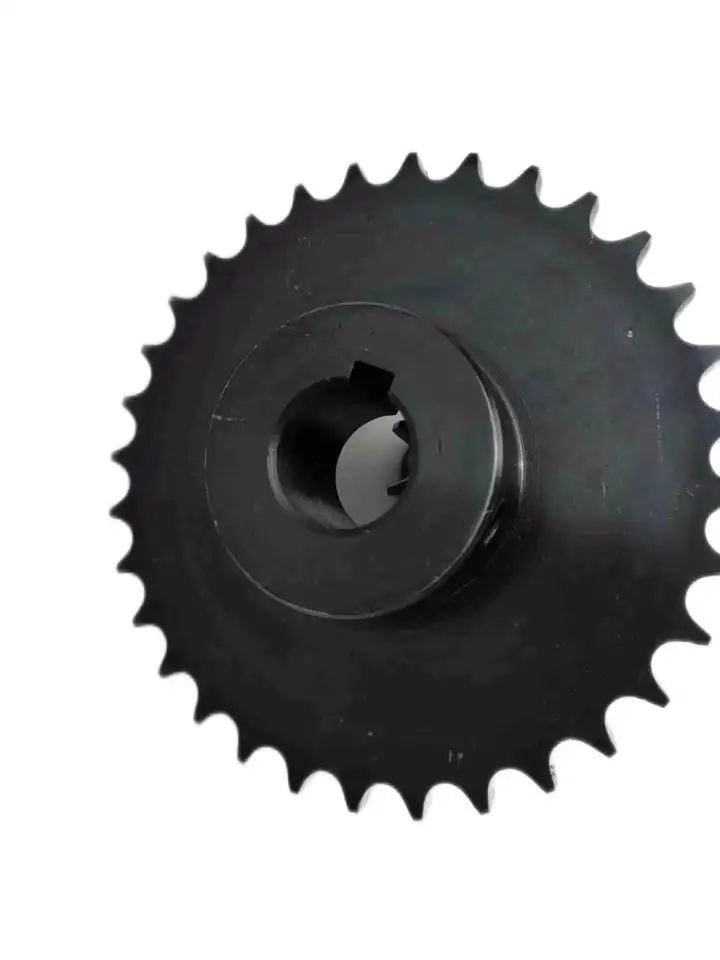
حساب متطلبات عزم الدوران لمجموعة تروس العجلة
يتطلب حساب عزم الدوران المطلوب لمجموعة تروس العجلة مراعاة عوامل مختلفة تُسهم في حمل عزم الدوران. يُعدّ عزم الدوران المطلوب عاملاً حاسماً لاختيار المحرك أو مصدر الطاقة المناسب لتشغيل النظام بكفاءة. إليك دليلاً تفصيلياً خطوة بخطوة:
- 1. تحديد عزم الحمل: حدد عزم الدوران المطلوب للتغلب على المقاومة أو الحمل في النظام. يشمل ذلك عزم الدوران اللازم لتحريك الحمل، والتغلب على الاحتكاك، وتسريع الحمل إن أمكن.
- 2. تحديد نصف قطر العجلة المسننة: قم بقياس نصف قطر العجلة المسننة (المسافة من مركز العجلة المسننة إلى نقطة التلامس مع السلسلة أو الحزام).
- 3. احسب قوة الشد في السلسلة أو الحزام: في حال استخدام نظام نقل الحركة بالسلسلة أو الحزام، احسب مقدار الشد في السلسلة أو الحزام. يؤثر الشد على عزم الدوران المطلوب لنقل الطاقة.
- 4. احتساب خسائر الكفاءة: ضع في اعتبارك كفاءة النظام. لن يتم تحويل كل الطاقة المدخلة إلى طاقة مخرجة بسبب الاحتكاك والخسائر الأخرى. ضع هذه الكفاءة في حساباتك.
- 5. استخدم معادلة عزم الدوران: يمكن حساب عزم الدوران (T) باستخدام المعادلة التالية:
T = (عزم الحمل × نصف قطر العجلة المسننة) ÷ (الكفاءة × الشد)
من الضروري استخدام وحدات قياس متسقة (مثل نيوتن متر أو قدم-رطل) لجميع القيم في المعادلة.
تذكر أن ظروف العالم الحقيقي قد تختلف، ومن المستحسن إضافة عامل أمان إلى متطلبات عزم الدوران المحسوبة لضمان قدرة النظام على التعامل مع أحمال الذروة غير المتوقعة أو الاختلافات في ظروف التشغيل.
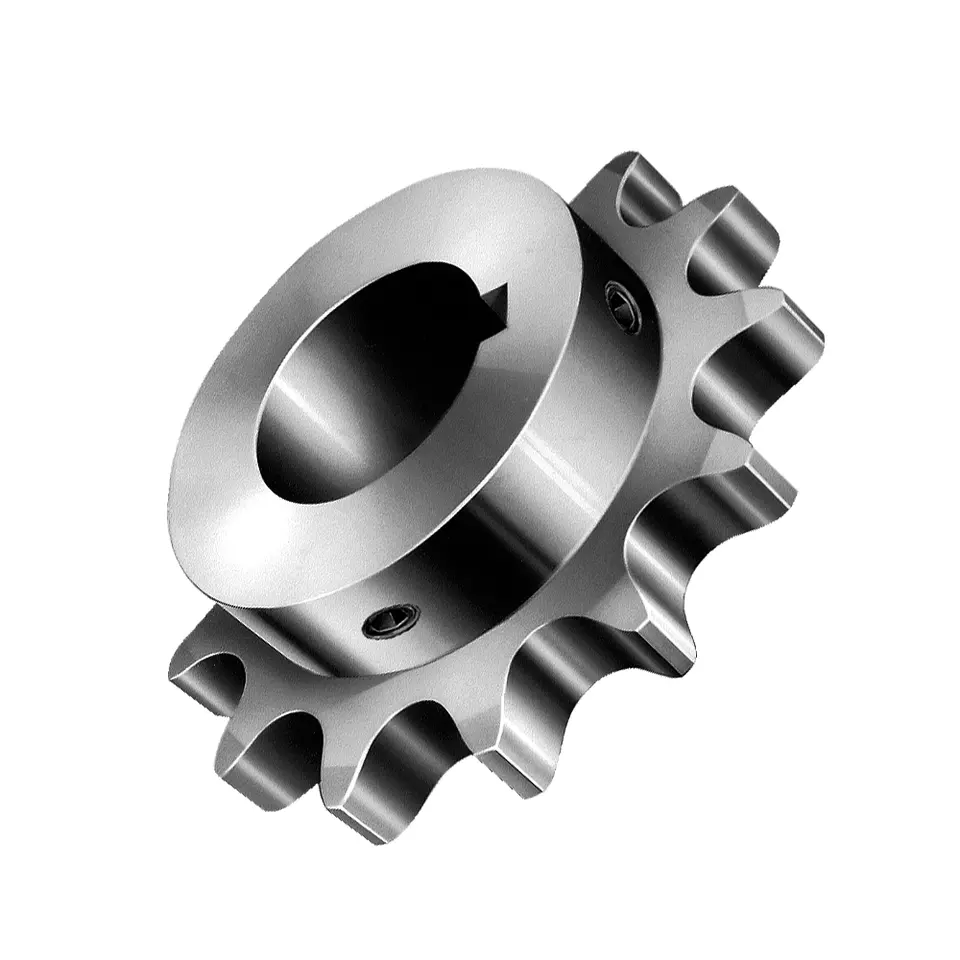
Choosing the Right Material for a Sprocket to Ensure Longevity
Choosing the right material for a sprocket is crucial to ensure its longevity and reliable performance in a given application. The material selection depends on various factors such as load, speed, operating environment, and budget. Here are some common materials used for sprockets and their considerations:
- فُولاَذ: Steel sprockets are widely used in a wide range of applications due to their excellent strength, durability, and wear resistance. They are suitable for heavy-duty and high-speed operations. Different grades of steel, such as carbon steel or alloy steel, offer varying levels of hardness and strength.
- الفولاذ المقاوم للصدأ: Stainless steel sprockets are preferred when corrosion resistance is essential, making them suitable for applications where the sprocket is exposed to moisture, chemicals, or outdoor elements. They are commonly used in food processing, pharmaceutical, and marine industries.
- Cast Iron: Cast iron sprockets offer good wear resistance and are often used in low to medium-speed applications. They are cost-effective and provide excellent performance in less demanding conditions.
- البلاستيك: Plastic sprockets are lightweight and corrosion-resistant. They are commonly used in applications where low noise, self-lubrication, and resistance to chemicals or moisture are required. However, they have limited load-carrying capacity and may not be suitable for heavy-duty applications.
- الألومنيوم: Aluminum sprockets are lightweight and commonly used in applications where weight reduction is critical, such as aerospace and certain machinery. However, they are not as durable as steel sprockets and are not suitable for high loads or harsh environments.
When choosing the right material for a sprocket, consider the following:
- Load Capacity: Select a material that can handle the expected loads in the application without deforming or wearing excessively.
- Speed: Higher speeds may require materials with better heat dissipation and wear resistance.
- Environment: Consider factors such as moisture, chemicals, temperature, and outdoor exposure. Choose a material with suitable corrosion resistance and resilience to environmental conditions.
- Maintenance: Some materials may require more frequent maintenance or lubrication to ensure longevity.
- Cost: Balance the material’s performance with the budget constraints of the project.
It’s essential to consult with sprocket manufacturers or material experts to determine the most appropriate material for your specific application. They can provide valuable insights and recommendations based on your requirements, helping to ensure the longevity and optimal performance of the sprocket in your machinery or equipment.
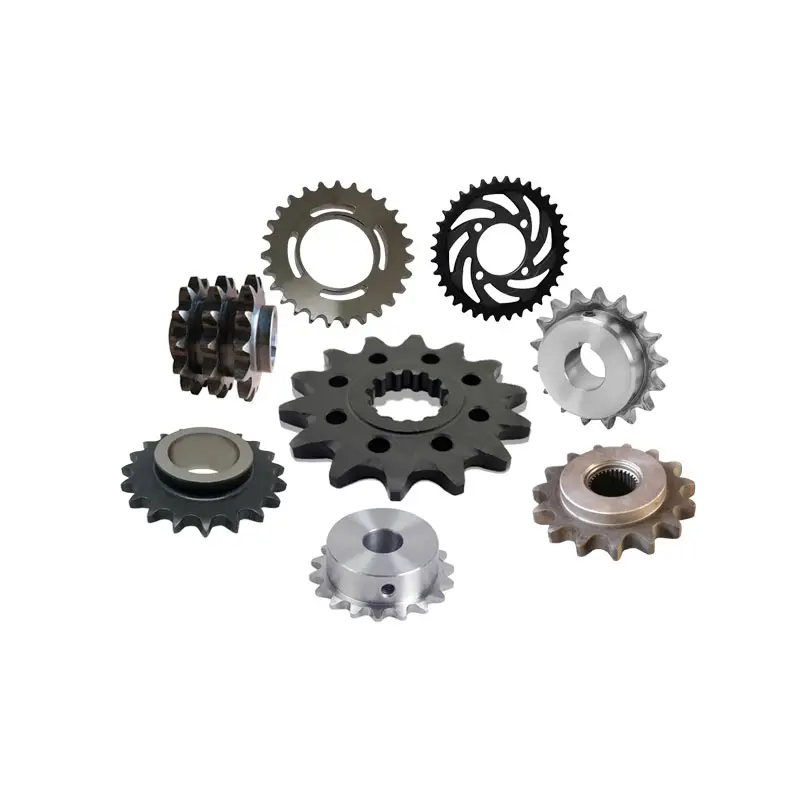
Can a wheel sprocket System be Used in Bicycles and Other Vehicles?
Yes, a wheel sprocket system is commonly used in bicycles and various other vehicles. In bicycles, the wheel sprocket system is a fundamental part of the drivetrain, which transfers power from the rider’s legs to the wheels, propelling the bicycle forward.
The typical bicycle drivetrain consists of a chain, front sprockets (chainrings), rear sprockets (cassette), and the bicycle’s wheels. When the rider pedals the bicycle, the chain engages with the sprockets, and as a result, the rotational motion from the pedaling is transferred to the rear wheel.
The selection of sprocket sizes (number of teeth on chainrings and cassette) can affect the gear ratio, allowing cyclists to adjust their pedaling effort and speed to suit different terrains and riding conditions. Smaller sprockets provide easier pedaling for climbing steep hills, while larger sprockets offer higher speeds on flat or downhill sections.
Beyond bicycles, the wheel sprocket system is widely used in various other vehicles and machinery to transmit power and control speed. It can be found in motorcycles, mopeds, electric scooters, and even some small electric vehicles. Additionally, the wheel sprocket system is prevalent in industrial machinery, where precise speed control and torque transmission are essential.
The efficiency and reliability of the wheel sprocket system make it a versatile and practical choice for many vehicles and mechanical applications.


editor by Dream 2024-05-06